A rug lifted after several years can reveal a surprisingly different floor colour underneath. You might notice the same contrast behind a sofa or find that one side of an upholstered chair looks lighter than the other. If you are considering replacement windows, check if better glazing could help protect the things inside your home.
New glazing can reduce exposure to certain causes of fading, but the level of protection depends on more than a UV filtering claim. Ultraviolet radiation, visible light, heat and the materials inside your home all influence how surfaces change over time. Clearview Glass Group helps Central Coast homeowners explore suitable replacement glazing options while considering daylight, appearance and the performance requirements of each room.
Colour differences near windows often develop because materials receive different amounts of sunlight. However, not every change is fading, and not every discoloured area is caused by UV exposure.
Before selecting replacement glass, identify what has changed, where the difference appears and whether the pattern follows sunlight exposure. Flooring, timber finishes and upholstery can all respond differently to prolonged exposure.
Light can alter the substances that give materials their colour. In textiles, this may involve changes to dyes and pigments. In timber, both the wood itself and its protective coating can change with exposure. Some surfaces become lighter, while others darken, yellow or develop a warmer tone.
This explains why two rooms with similar windows may show different results. A pale timber floor with one finish may react differently from a darker floor with another. Likewise, fabrics that look almost identical can have different resistance to light because of their fibres, dyes and manufacturing processes.
Floor fading near windows is often most noticeable where direct sunlight repeatedly falls. The affected area may change with the seasons as the sun reaches further into the room or enters at a different angle. A small section receiving strong afternoon sunlight can age differently from a larger area exposed mainly to indirect daylight.
Other factors can also affect appearance. Wear, cleaning products, moisture and changes in surface coatings may produce colour differences that resemble light damage. If the cause is unclear, seek advice from the supplier before assuming that replacement windows will resolve the issue.
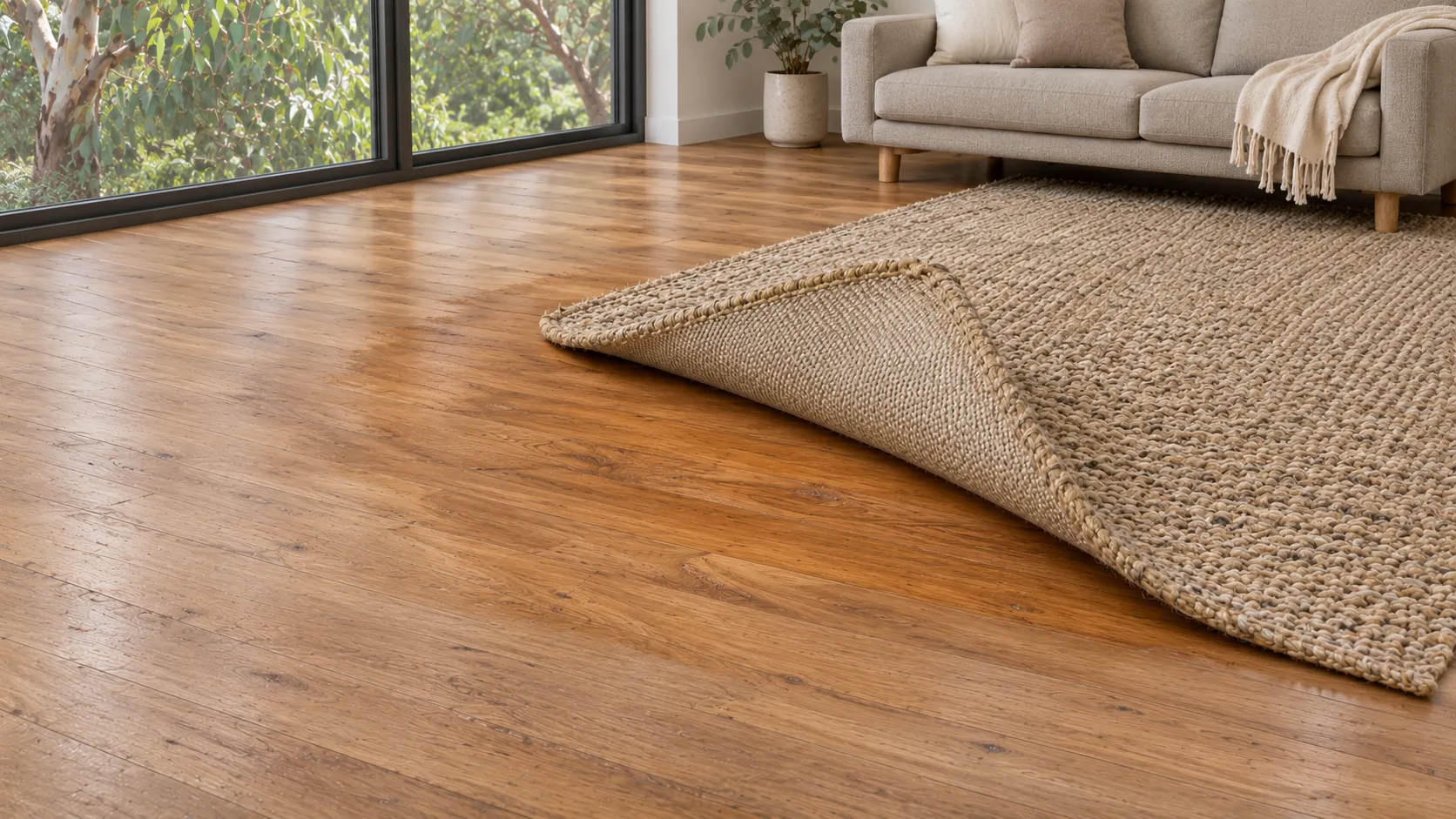
Furniture and rugs create different exposure conditions across a floor. Covered sections receive less light, while surrounding surfaces continue to change. Moving a rug does not necessarily reveal the floor's original colour, but it can show how differently the two areas have aged.
The contrast can be noticeable because protected and exposed sections sit directly besides each other. Gradual changes across an entire room may have been difficult to recognise while the rug remained in place.
Photograph the affected area and note approximately how long it has been exposed. Include a wider photograph showing the window, surrounding furniture and general room layout. If available, keep information about the flooring material and its protective finish with those photographs.
Ultraviolet radiation contributes to the deterioration of many materials, but it is not the only cause. Visible light and temperature can also influence how surfaces age, depending on the material and its exposure history.
Understanding these differences is important when comparing replacement windows. A product that improves indoor comfort does not automatically provide a specific level of fading protection. Similarly, strong UV filtering does not mean every furnishing is protected from all light-related changes.
Ordinary window glass filters some ultraviolet radiation, but its performance varies according to the glass type and construction. Clear glass should not be assumed to block all UV simply because sunlight passes through it before entering the room.
Some laminated glass products use specialised interlayers that reduce UV transmission. Certain coatings and other glazing treatments may also influence the radiation passing through the window. Their effectiveness depends on the specific product and its construction.
Window glass UV protection is useful information, but it should not be the only performance measure considered. Even when UV transmission is very low, visible light can still enter the room and contribute to changes in sensitive dyes, pigments and finishes.
Be cautious about treating a UV filtering percentage as an equivalent reduction in fading. A figure describing how much UV radiation passes through the glass does not automatically indicate how much longer a floor, curtain or sofa will retain its original colour.
Visible light transmission (VLT) describes the proportion of visible light that passes through the glass under specified measurement conditions. It helps homeowners compare how much natural light different glazing options allow into a room. However, it can also contribute to colour changes in sensitive materials. Reducing visible light may help limit exposure, but it can also make an interior feel darker.
Heat adds another consideration. Solar radiation can warm exposed surfaces, and elevated temperatures may accelerate certain deterioration processes. However, a cooler room does not necessarily mean its contents are receiving negligible amounts of damaging light.
Exposure also accumulates over time. A chair positioned in the same sunlit area for several years may develop noticeable colour differences, even without obvious daily changes. Strong direct sunlight, longer exposure periods and sensitive materials can make the effects more pronounced.
These considerations are relevant when comparing glazing options for comfort and interior protection. Homeowners can also explore insulating and tinting glass without losing its appearance to understand how different glazing treatments influence heat and light transmission.
For replacement windows, ask how the proposed glass addresses UV radiation, visible light and solar heat separately rather than relying on a general claim that it blocks the sun.
Ask for information about the exact glazing product included in your replacement window quote. General descriptions such as tinted, laminated or energy-efficient glass are not enough to establish how much ultraviolet radiation, visible light or solar heat will pass through.
A glazing supplier should be able to explain the relevant technical figures in practical terms. Having this information in writing also makes it easier to compare different products and understand what each option can achieve.
Start by asking what UV transmission information is available for the specified glass. If a supplier states that a product blocks a specific percentage of UV radiation, ask which glazing configuration the figure applies to and what testing or measurement basis supports it.
This distinction matters because information about an individual pane, coating or interlayer may not represent the performance of the complete glazing unit. The figures should relate to the actual product being proposed for installation.
Laminated glass is worth discussing because suitable interlayers can provide substantial UV filtering. However, the word laminated alone is not a complete specification. Different interlayers can have different optical properties and performance characteristics, so the exact glass construction needs to be identified.
Suitable coatings may also contribute to the overall glazing specification. However, a coating selected primarily for thermal performance should not be assumed to provide a level of UV protection without supporting product information.
For unusual window layouts or specific appearance requirements, discussing custom architectural glass options clarifies which glass constructions are practical. Any recommendation must also suit the window system, intended application and safety requirements.
Visible light transmission (VLT) describes the proportion of visible light that passes through the glass under specified measurement conditions. It helps homeowners compare how much natural light different glazing options allow into a room.
A higher VLT allows more daylight through, while a lower figure indicates a reduction in visible light. However, the finished room's brightness also depends on window size, orientation, surrounding surfaces and external shading.
Ask whether the proposed glass has a noticeable tint, changes colour perception or creates a more reflective appearance. These differences can matter if you want to preserve the natural appearance of timber flooring, maintain clear outdoor views or achieve consistency between adjoining windows.
Where samples are available, view them in natural daylight and compare them against neutral-coloured materials. A small sample cannot fully reproduce an installed window, but it identifies an unwanted colour cast before deciding.
Aluminium frames can form part of a well-specified replacement window, but the frame material does not establish how much UV or visible light passes through the glass. These are separate considerations that need to be assessed individually.
The same applies to double glazing. Two windows can have aluminium frames and two panes while using different glass types, coatings and interlayers with different light-filtering characteristics.
The frame supports the glazing and influences the window's operation, appearance and thermal performance. However, it does not determine how much sunlight passes through the glazed area.
Selecting aluminium does not automatically protect against fading. Homeowners should assess the frame system and glass specification separately when comparing aluminium windows in Central Coast.
For example, a quote may describe the frame finish, opening style and dimensions in detail while providing very little information about the glass beyond its thickness. This leaves important questions unanswered if protecting floors and furnishings is a priority.
Explain which rooms are affected and what you want to preserve, like clear outdoor views, natural timber colours or generous daylight. The proposed glass then needs to be assessed within the capabilities of the selected frame system.
Not every glass construction suits every existing or replacement frame. An assessment is necessary when considering whether existing frames can accommodate different glazing. The system's condition, glazing capacity and installation requirements influence if this approach is practical.
Double glazing describes an insulating glass unit containing two panes separated by a sealed space. It can improve thermal performance compared with some single-glazed arrangements, but the number of panes does not provide a complete description of UV or visible light transmission.
One double-glazed unit might incorporate laminated glass or a specialised coating, while another may use a different combination. Their light-filtering characteristics can vary even though both products are described as double-glazed.
Low-emissivity (Low-E) coatings are designed to influence heat transfer through the glass. Depending on the product, they may also affect visible light and solar energy transmission. However, their presence alone does not establish the level of UV filtering or fading protection provided.
Keep thermal and fading-related questions separate when comparing products.
For indoor comfort, ask about relevant whole-window thermal performance and solar heat gain information. For furnishings, focus on UV transmission, visible light transmission and the limitations of those figures.
Replacement windows can reduce exposure to specific parts of sunlight, but they cannot promise identical protection for every object. Timber flooring, printed artwork and upholstered furniture may each respond differently behind the same pane.
The most realistic expectation is reduced exposure to certain causes of fading and slower colour changes where the selected glazing addresses those factors. It is not a guarantee that everything will retain its original appearance indefinitely.
New glass cannot restore colour that has already changed. If a floor has developed a contrast around a rug or a chair has faded on one side, reducing future exposure will not make those areas match again.
Existing colour differences may remain noticeable after replacement. Further changes may also continue if visible light, heat or other influences still affect the material.
This distinction needs to be discussed before committing to a project. If the main concern is an already uneven floor, separate future light protection from any advice about repairing or refinishing the surface.
The appropriate person to assess the existing damage may be the flooring manufacturer, supplier or a suitable flooring professional.
For furniture showing signs of fading, check the manufacturer's care instructions. Advice to avoid direct sunlight may still apply behind glazing with strong UV filtering, specifically where the fabric or finish is sensitive to visible light.
A useful question for a glazing supplier is: which contributors to fading will this specification reduce, and which will remain? This encourages a more meaningful discussion than asking whether a window is fade-proof.
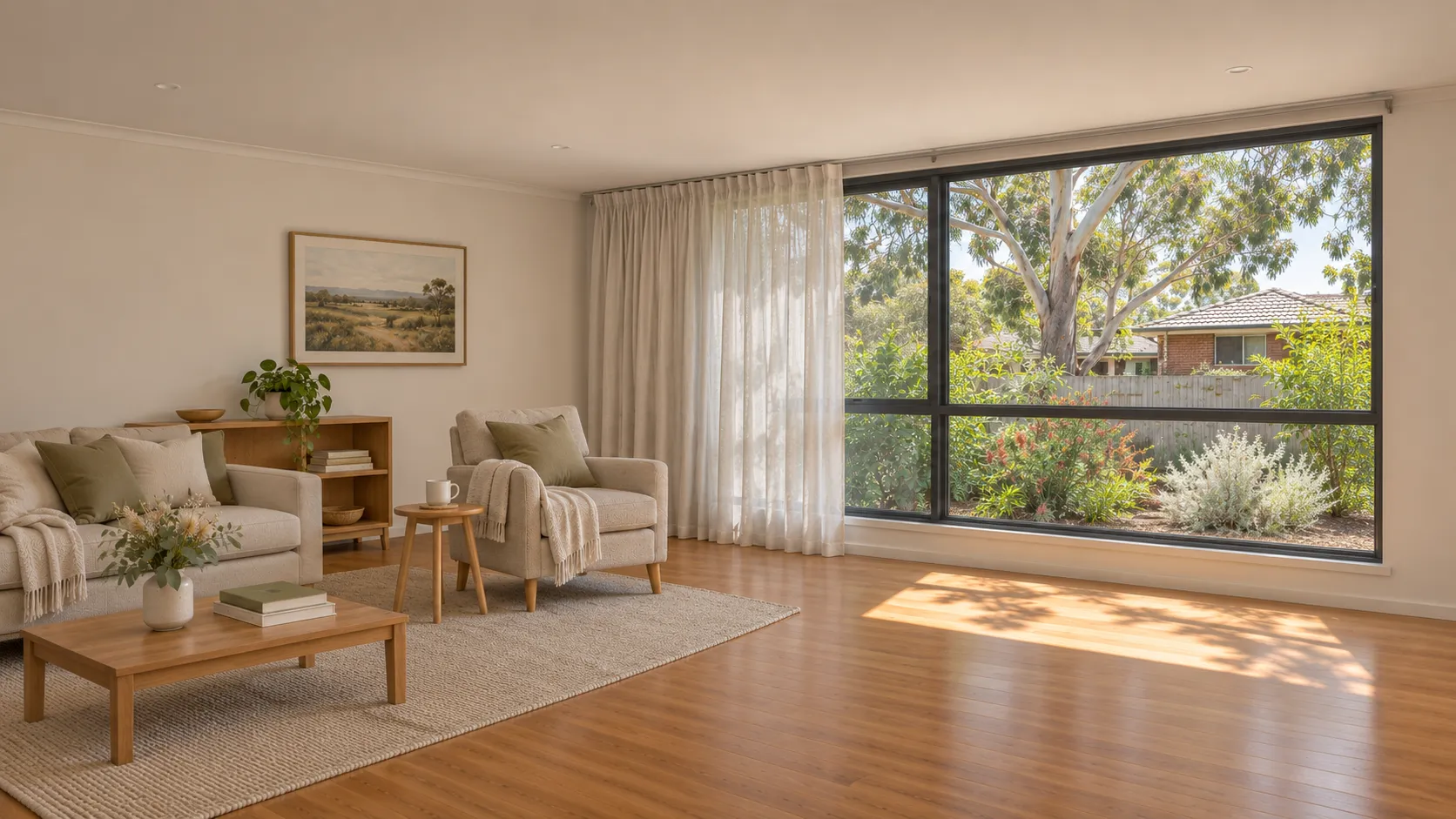
Vulnerable or valuable items may need more than a glass change. Moving a chair away from a repeated sun patch or relocating artwork from a directly exposed wall can reduce light exposure without requiring the entire room to become darker.
Existing curtains and blinds can also help during periods of strong sunlight. Their effectiveness depends on how much light they block and if they are closed when sunlight reaches the vulnerable surface. They should be considered an additional protective measure rather than a replacement for suitable glazing.
Start with items already showing signs of colour change, materials with specific care warnings and objects that would be difficult to replace. Observe when direct sunlight reaches them and how long the exposure lasts.
If you are unsure whether a valuable item can tolerate its current position, seek advice from a qualified specialist. A glazing expert can explain window performance but cannot determine the light tolerance of every fabric, artwork or decorative finish.
The right glazing choice should protect your furnishings without undermining the qualities that make a room enjoyable. Darker glass may reduce incoming light, but it can also change the appearance of a bright living area or alter the colours you see indoors.
Rather than choosing the option with the strongest-sounding protection claim, explain your priorities and ask how each suitable product addresses them. Daylight, outdoor views, colour appearance and fading reduction must be considered together.
Start by identifying the qualities you want to preserve. You may value a clear outdoor outlook, soft morning light or the natural appearance of timber and upholstery. These preferences help a supplier explain the trade-offs between glazing options.
A visibly darker pane is not necessarily the best answer to every fading concern. It may reduce daylight more than you want, while another specification may provide a different balance of UV filtering and visible light transmission.
Ask how the proposed glass will look beside windows that are not being replaced. Differences in tint and reflectivity can become noticeable across the same wall or between adjoining rooms. If only selected windows are changing, visual consistency may influence which products are suitable.
Window orientation should also be considered. North-facing and west-facing windows can receive different patterns of direct sunlight throughout the day and across the seasons. External shading, nearby buildings and trees also influence how much sunlight reaches the glass.
For a glazing consultation, bring photographs of affected floors or furnishings, any available material information and a simple description of when direct sunlight enters each room.
You do not need a technical survey to get the conversation started. Observations such as strong afternoon sunlight falling directly on the sofa or morning light reaching the timber floor are useful starting points.
Identify the main concern in each room. One may have obvious floor colour differences, while another may become uncomfortable because of solar heat. Distinguishing these problems helps avoid applying the same glazing specification everywhere without considering the reason for it.
If window film is suggested for existing or replacement glass, have its compatibility assessed professionally. Existing coatings, glass construction and the window system can affect suitability, including the potential for thermal stress. An aftermarket product should never be assumed safe for every type of glass.
Before approving the quote, check that the written specification matches the product discussed. Any substitutions should be explained in terms of UV transmission, visible light, appearance and other relevant performance characteristics rather than described simply as equivalent glass. Choosing suitable replacement windows involves more than selecting a frame or counting the number of glass panes. Clearview Glass Group assists in exploring glazing options that balance these considerations, making it easier to protect valuable furnishings while retaining the natural light and appearance they enjoy.
Ready to elevate your space with stunning glass solutions? Contact Clearview Glass today for expert advice, quality craftsmanship, and unmatched customer service. Let's bring your vision to life – get in touch now for a consultation.


