Glass pool fencing has become a common feature in Australian backyards, but good design involves more than selecting clear glass and stainless steel fittings. The way a fence is planned affects how people move through the space, how safely the pool area functions and how well the system performs over time. For homeowners researching glass pool fencing in Central Coast, local conditions such as coastal exposure, sloping blocks and family-focused outdoor living make thoughtful design especially important.
This article explains how layout planning, system selection, privacy management and hardware choices influence the long-term performance of glass pool fencing, helping homeowners make informed decisions before installation begins.
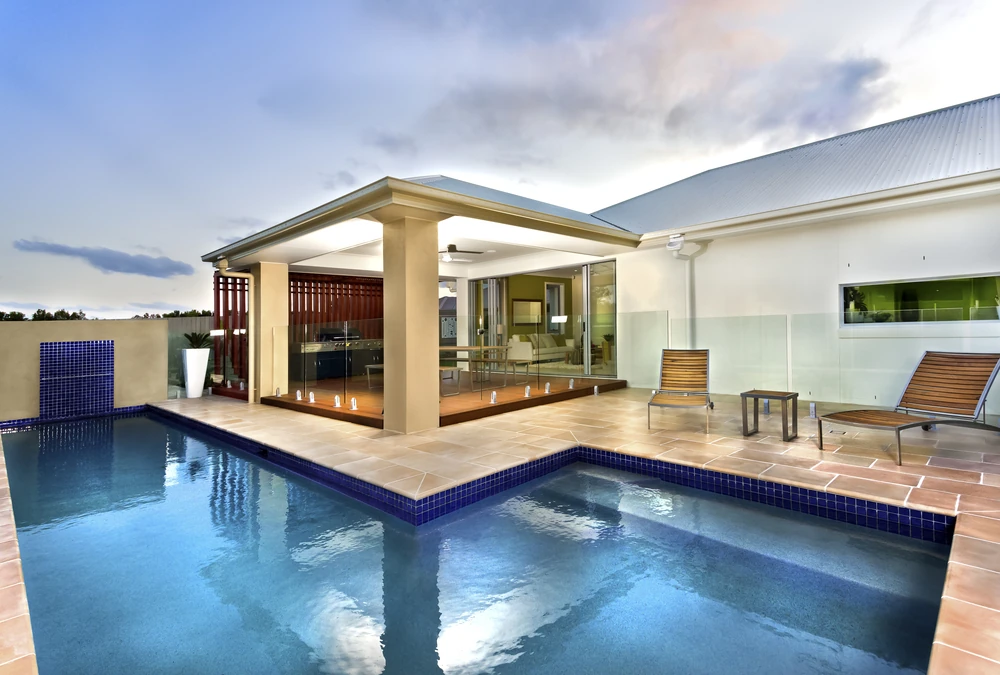
A successful glass pool fence is shaped long before installation begins. Layout decisions influence how the space feels, how safely it functions and how easily it meets compliance requirements. In backyards where pools sit alongside decks, lawns, entertaining areas and pathways, poor placement can disrupt flow and create ongoing frustrations. Addressing layout early, before paving and landscaping are finalised, reduces the need for compromises once construction is underway.
Access planning is about understanding how people naturally move around the backyard. A well-designed fence works with these movement patterns rather than cutting across them. When circulation paths are ignored, homeowners often end up with awkward detours or underused areas. Thoughtful access planning considers:
Gate placement is one of the most common design mistakes in glass pool fencing. Gates that technically comply but are poorly positioned quickly become a nuisance. A well-placed gate should feel intuitive and convenient while still meeting strict safety rules. Key considerations include:
Most pools sit within complex outdoor environments rather than isolated concrete slabs. Glass fencing must adapt to these features without compromising safety or appearance. Early coordination avoids last-minute design constraints that limit panel alignment and visual consistency. Designing around existing elements often involves the following:
Frameless and semi-frameless glass pool fencing systems differ in more than appearance. Each option affects structural support, maintenance requirements and suitability for specific site conditions. Understanding these differences early helps homeowners select a system that remains stable, compliant and visually clean.
Frameless systems rely on thicker glass panels secured with spigots or base-mounted fixings, creating a clean, uninterrupted look. Semi-frameless systems use posts between panels, providing additional structural support with slightly more visible hardware. Visually, the differences include:
Budget considerations go beyond upfront pricing. Long-term performance and support requirements vary between systems. In many cases, higher-grade materials and fixings reduce the likelihood of movement, adjustment and maintenance issues. Check these comparisons:
Not every pool or backyard suits every fencing system. Ground conditions, pool geometry and slab quality all influence suitability. Matching the fencing system to site conditions reduces structural stress and alignment issues over time. System selection should consider the following:
Glass pool fencing is chosen for its openness, but privacy remains an important consideration in many suburban backyards. The goal is not to enclose the pool area but to manage sightlines where exposure is highest without sacrificing light, airflow or visual connection to the surrounding space. The most effective privacy solutions are targeted, subtle and applied only where they genuinely add comfort and usability.
Good design begins with understanding where privacy genuinely matters and where transparency enhances the space. Privacy is usually most effective when applied in specific, high-exposure locations, such as:
Each option offers a different balance between screening and transparency, allowing designers to tailor privacy levels to specific locations. Common privacy glass options include:
Applying tinted or frosted glass across the entire pool fence often leads to unintended consequences that diminish the usability and comfort of the space. Overuse of privacy treatments can result in:
Pool fence compliance directly shapes how glass fencing is designed, positioned and used. As both a safety barrier and a permanent feature of the backyard, glass pool fencing must meet strict requirements that influence panel height, spacing, gate operation and nearby landscaping. Understanding these rules early helps avoid costly redesigns and post-installation compliance issues.
Pool fence regulations are highly specific and leave little room for interpretation. Even small deviations can result in non-compliance, particularly where climbable elements are involved. These rules are intended to prevent children from climbing, squeezing through or accessing the pool area unsupervised. Here are some requirements commonly included:
Gates are the most scrutinised component of any pool fencing system because they represent the most likely point of failure. A gate that technically meets requirements at installation can quickly become non-compliant if it is poorly designed, misaligned or subjected to frequent use. Critical gate-related requirements may have:
Many pool fencing compliance issues are discovered well after installation, often during inspections, property sales or insurance assessments. In most cases, these failures result from design oversights rather than poor installation workmanship. Common post-installation compliance issues you need to be aware of are:
While glass panels define the look of a pool fence, it is the hardware that determines how well it performs. Spigots, posts and fixings are constantly exposed to weather, moisture and pool chemicals, making material choice critical. Poorly specified hardware can corrode, loosen or fail, while well-chosen fittings support long-term safety, appearance and ease of maintenance.
The fixing method used for glass pool fencing must suit both the structure it is mounted to and the environmental conditions of the site. Different ground types, slab thicknesses and layout constraints all influence which fixing solution will perform best long-term. Here are some common fixing methods:
Not all hardware finishes are suitable for long-term outdoor exposure, even if they look similar initially. Sunlight, temperature fluctuations and moisture can quickly expose weaknesses in poorly specified coatings or metals. Take a look at these finishes:
In coastal, high-wind or exposed locations, hardware selection becomes even more critical. Salt-laden air, airborne moisture and persistent wind loads can rapidly degrade fittings that are not designed for these conditions. Designing for exposure typically involves:
Many backyards present conditions that make standard glass pool fencing layouts impractical without careful adaptation. Sloping blocks, narrow spaces, irregular pool shapes and high-traffic family areas all require design solutions tailored to the site. In these environments, successful fencing comes from responding intelligently to real constraints rather than relying on off-the-shelf layouts.
In compact spaces, every millimetre matters. Poor design can make small yards feel cluttered and unusable. Remember that good design preserves openness without sacrificing safety. Effective strategies you can try are the following:
Level changes introduce complexity that must be addressed early. Glass fencing can accommodate slopes, but only with careful planning. Sloped sites benefit most from experienced design input. Common solutions are:
Family backyards place higher demands on fencing systems. Gates, hinges and latches must withstand frequent use without losing performance. Durability becomes just as important as appearance in these environments. Consider these designs:
Glass pool fencing should never be treated as a compliance add-on or a last-minute installation. When layout, system selection, privacy detailing and hardware choice are addressed together, the result is a fence that feels natural in the space, performs reliably and remains compliant long after installation. In coastal and high-use environments, design shortcuts almost always lead to adjustment issues, premature wear or compliance failures.
Whether you’re installing a new pool fence or upgrading an existing one, getting the design right from the outset avoids costly corrections later. At Clearview Glass Group, we design and install glass pool fencing with site conditions, long-term performance and everyday usability in mind. Speak with our team to discuss a solution tailored to your backyard layout and exposure conditions.
Ready to elevate your space with stunning glass solutions? Contact Clearview Glass today for expert advice, quality craftsmanship, and unmatched customer service. Let's bring your vision to life – get in touch now for a consultation.


