Upgrading shopfront glass on the Central Coast is one of the most effective ways a business can improve its street presence, security and long-term performance. The right glazing does far more than shield a premises from the elements. It can make a store feel safer, help reduce heating and cooling costs and shape how strongly a brand connects with people passing by. Clearview Glass Group works with businesses looking to turn outdated frontages into modern commercial assets that are secure, energy efficient and visually appealing.
In this article, readers will learn how modern shopfront glass systems can improve security through stronger glass types, better framing and hardware and smarter integration with wider security measures. It also explains how performance glazing can reduce heat gain and heat loss, creating a more comfortable interior while helping control energy costs. Finally, it explores how updated shopfront glass can strengthen branding through better product visibility, custom finishes, integrated signage and lighting, giving business owners a clearer understanding of how the right upgrade can support both daily operations and long-term street appeal.
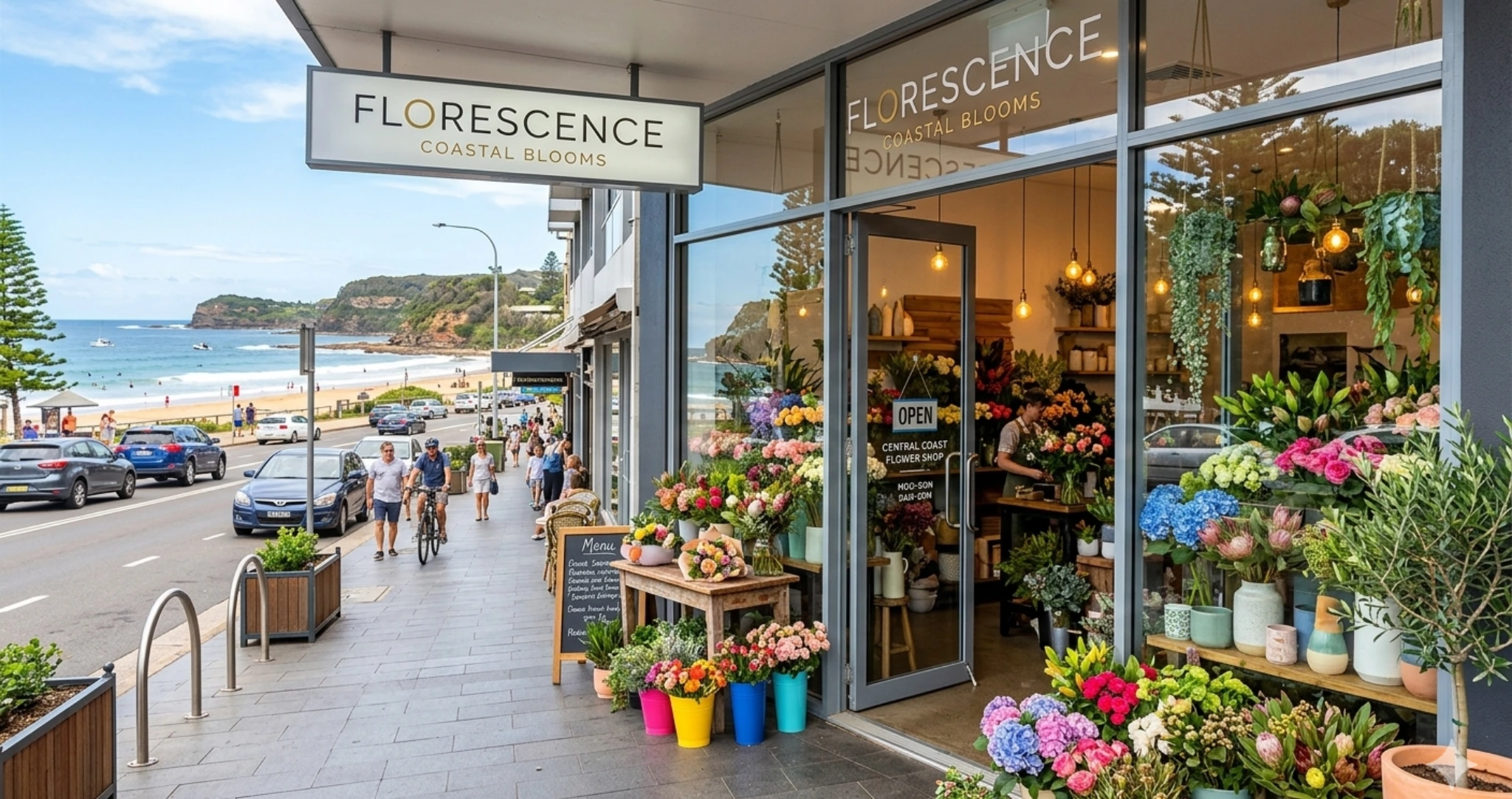
Retailers usually upgrade their shopfront glass when they want to protect stock, lower running costs or stand out on a busy street. Modern glazing can strengthen security, improve comfort for customers and staff and turn the front of the store into a powerful branding tool.
Glass experts help businesses replace ageing or basic glass with tailored solutions that address specific issues such as repeated break-ins, glare on products, hot and cold spots in the store or a tired, dated façade.
Security is one of the most common triggers for a shopfront upgrade. Older single-pane glass is easy to smash, which exposes retailers to quick grab theft or vandalism. By upgrading to laminated safety glass or toughened glass, the shopfront becomes far harder to break through, which deters opportunistic thieves.
Retailers in areas with a history of break-ins often choose laminated glass with an interlayer that holds together even when cracked. This slows intruders significantly and gives alarms and monitoring systems time to activate. Where there is a risk of deliberate impact, such as ram raids, shopfront glass installers can combine thicker glass with correctly specified frames and anchoring so the whole frontage works as a security system rather than a weak point.
Many insurers recognise the value of higher security glazing. Some retailers are able to negotiate better premiums or meet policy conditions only once their shopfront meets a certain glass standard.
Another key reason to upgrade is to manage heat and light more effectively. Old shopfronts often let in large amounts of solar heat in summer and lose warmth in winter, which leads to uncomfortable customers and higher energy bills.
Modern double-glazed units with low emissivity coatings help keep conditioned air inside and reduce draughts near the front door. Solar control or tinted glass can cut glare on displays and reduce fading of stock caused by UV exposure. This is particularly useful for fashion boutiques, homewares and pharmacies where colours and packaging need to remain vibrant.
By selecting the right glass performance, retailers can often downsize their heating or cooling demand over time. Commercial glazing specialists advise on U-values, visible light transmission and solar heat gain so the glass supports the store’s energy targets as well as council or building code requirements.
A shopfront is often the first physical interaction a customer has with a brand. Retailers upgrade glass to create a cleaner, more modern façade and to better showcase merchandise. Larger uninterrupted panes with slimline frames give a contemporary open look that invites people inside.
Specialised glass can also support brand messaging. Low-iron ultra-clear glass is ideal for premium retailers who want true colour rendering for window displays. Frosted or patterned glass can provide privacy for areas like fitting rooms or clinics while still carrying a distinctive look that fits the brand.
Professional glass installers can integrate glazing with lightboxes, digital signage and applied graphics so the glass becomes part of the overall marketing strategy instead of just a barrier between street and store. This combination of visual impact, comfort and protection is why so many retailers choose to invest in a shopfront glass upgrade.
Shopfront glass is often the first target for break‑ins, so upgrading from standard float glass is one of the most effective ways to strengthen security without sacrificing visibility or aesthetics. Professional glass installers help retailers and commercial owners choose glass types that slow intruders, protect staff and customers and reduce the cost and disruption of vandalism.
The two main security upgrades are laminated and toughened (tempered) glass. Each performs differently under impact, so understanding how they behave in real‑world situations helps owners decide which option or combination is right for their frontage.
Laminated glass is made from two or more glass panes bonded together with an interlayer, usually PVB or SGP. When hit hard enough to crack, the glass fragments stick to the interlayer instead of falling out. This creates a damaged but largely intact barrier that is difficult and time-consuming to get through.
For security, this has several benefits:
Laminated glass can be specified in different thicknesses and interlayer types to reach higher security ratings. For higher-risk locations, multi-layer laminated units or stiff interlayers can provide greater resistance against crowbars and sledgehammers. Laminated glass also stays in place after impact, which helps keep the shopfront safer for staff and customers until repairs can be completed.
Toughened glass is regular glass that has been heat treated to increase its strength. It is typically 4 to 5 times stronger than standard glass of the same thickness and is much more resistant to everyday knocks, slamming doors and wind loads. This makes it a strong option for busy high streets where trolleys, prams and street furniture often hit the glazing.
If toughened glass does fail, it breaks into small granular pieces rather than large sharp shards, which reduces the risk of severe injury. This safety benefit is particularly important for doors, low‑level glazing and busy pedestrian areas.
However, toughened glass alone is less effective at slowing a determined break‑in because it can shatter out of the frame in one impact. For security‑focused shopfronts, trusted glass installers often recommend using toughened laminated glass, which combines the surface strength of toughening with the hold‑together performance of lamination.
The best option depends on risk level, location and budget. High-value retailers or sites with a history of vandalism usually benefit from laminated or toughened laminated glass across the full frontage. Lower-risk stores may use toughened glass in doors and high-traffic sections and laminated glass in display windows.
Professional glaziers can also integrate these glass types with secure framing, better locks and hardware, privacy films and security films to create a complete shopfront system that meets insurance and safety requirements while still looking clean and inviting.
Energy-efficient shopfront glass can significantly cut heating and cooling costs while improving comfort for customers and staff. By choosing the right glazing and framing systems, businesses can reduce heat loss in winter, limit heat gain in summer and lessen the strain on air conditioning systems. This is especially important for retail and hospitality spaces with large areas of glass at street level.
Professional glaziers help clients understand how different glass types, coatings and installation details affect the overall thermal performance of a frontage. The aim is to balance transparency and street appeal with energy savings and compliance with local building regulations.
Glass is typically the weakest point in a building envelope for insulation. Traditional single clear glass allows indoor heat to escape in winter and lets unwanted solar heat pour in during summer. This leads to cold draughts near windows, hot spots close to the glass and higher energy bills as HVAC systems work harder to maintain a stable temperature.
Upgrading to double-glazed or performance laminated units improves the U‑value, which is a measure of how well the glazing insulates. A lower U‑value means less heat transfer and more stable indoor temperatures.
Modern commercial frontages can incorporate several energy-focused glass options. Key examples include:
For street-facing tenancies that want clear views and bright displays, low‑E and neutral solar control coatings are often preferred because they limit heat transfer without looking dark or reflective. In high-glare locations such as western aspects or outdoor dining areas, a light tint can further improve comfort and reduce the need for internal blinds.
Professional glaziers also consider the framing system and sealing details. Thermally improved or thermally broken frames limit heat conduction around the edges of the glass, which often is a hidden source of energy loss.
A good energy-efficient frontage is not just about numbers on a specification sheet. It must create a comfortable environment, allow strong product visibility and meet code requirements for commercial buildings. Excessive tinting may reduce cooling loads but can make merchandise look dull or uninviting. Overly reflective glass might control heat yet create unwanted mirror effects at street level.
Trusted glass experts work with designers and owners to model orientation, shading, local climate and operating hours. For a north- or west-facing shopfront, it may recommend higher solar control performance compared to a south-facing frontage that primarily needs insulation.
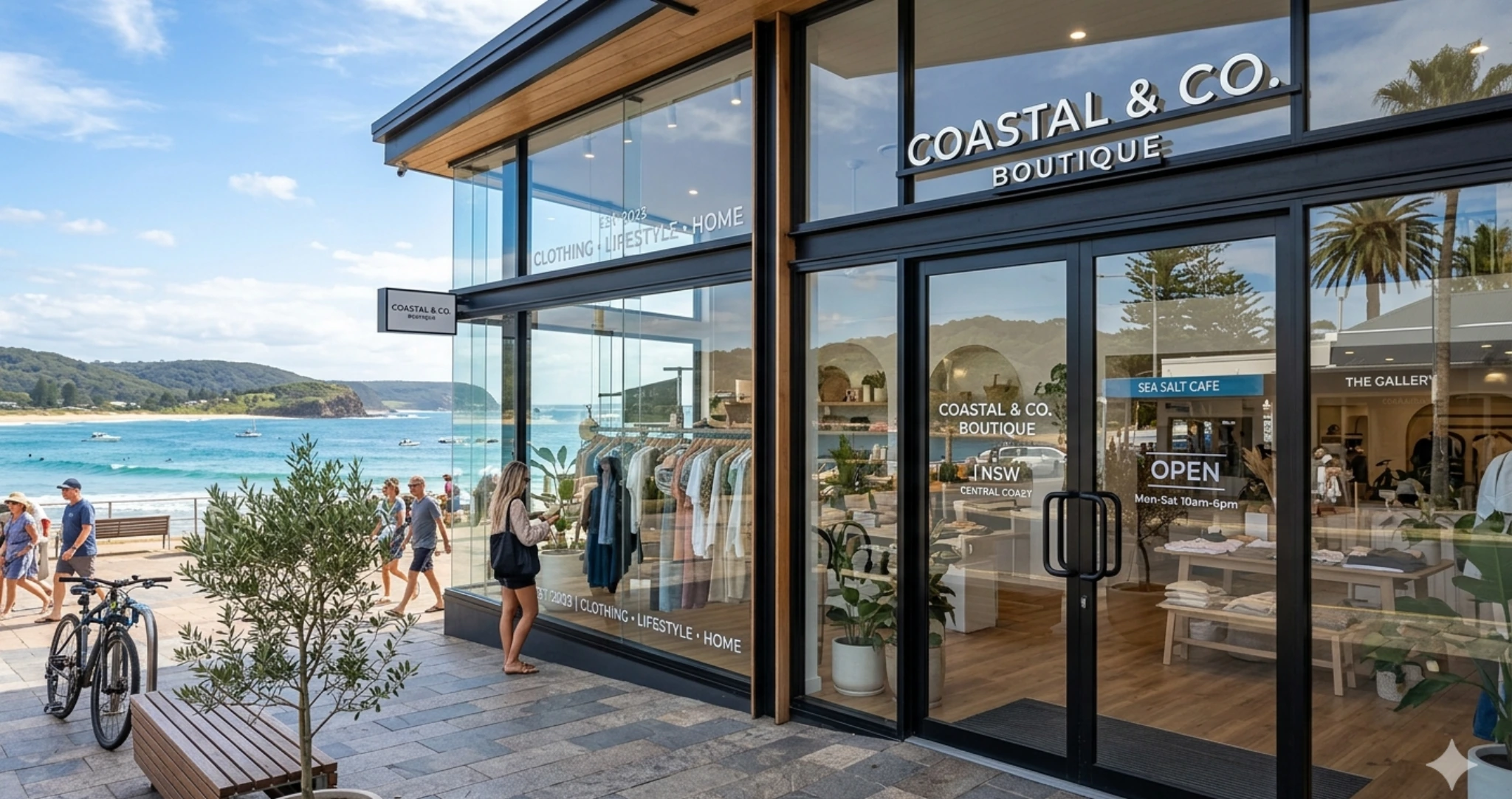
Upgraded shopfront glass can work as a powerful branding tool as well as a physical barrier. The right combination of clarity, tint, framing and graphics helps customers recognise the business instantly, understand what it offers and feel confident walking in. Commercial glazing specialists focus on glass solutions that present the brand clearly from the footpath and from passing vehicles so every glance counts.
When planning a new façade, it is important to think about how people first see the business from the street. Glass selection affects how signage reads, how products are displayed and how inviting the interior appears.
The shopfront is often the largest uninterrupted branding surface a business has. High-clarity, low‑iron glass keeps colours true so logos and product displays appear bright instead of slightly green or dull. This is especially useful for fashion retailers, galleries, showrooms and premium brands that rely on accurate colour representation.
Larger glass panels with minimal framing create a clean, modern look that suits many brand identities. Slimline or concealed frames keep attention on the display and graphics rather than on the structure. For brands that want a more traditional or industrial feel, your trusted shopfront experts can specify mullion layouts and frame colours that complement that style while keeping the glazing safe and compliant.
Glass also allows the interior to become part of the street presentation. Good lighting aligned with clear glass turns shelving, feature walls and point‑of‑sale areas into a visible backdrop that reinforces brand colours and style after hours.
Frosted and printed films offer a flexible way to apply brand elements without committing to permanent etching. They can carry logos, slogans, contact details and trading hours while still allowing light into the space. For privacy needs such as clinics, salons or offices, films can be placed at eye level or on lower panels while keeping upper sections clear for daylight and visibility.
Digitally printed films allow full-colour murals or photographic images across large areas of glass. This can create a bold street presence for hospitality venues, gyms or speciality retailers. Commercial glazing specialists advise on film types that resist UV fading and are easy to clean in high-traffic locations.
Vinyl-cut lettering remains effective for simple branding and wayfinding. Consistent placement, such as the logo on the main entry panel and opening hours at eye level on the door, helps customers find information quickly without cluttering the glass.
Good branding through glass relies on the right level of transparency. Glass that is too reflective or dark can hide the interior and make the shop feel closed even during trading hours. On the other hand, very clear glass without any visual markers can feel too exposed for some businesses and may create safety risks for pedestrians.
Tinted or low‑reflective glass can soften glare while still showing products and activity inside. Subtle banding with frosting at hand or eye height improves visibility for people approaching the glass and reduces accidental impacts. These elements can be aligned to brand colours or graphic patterns so safety features become part of the design rather than an afterthought.
For evening visibility, professional glaziers recommend combining clear or lightly tinted glass with well-planned interior lighting. This ensures signage and displays remain visible from the street without relying solely on external lightboxes.
Modern shopfront glazing is no longer just a sheet of glass in a frame. Retailers now expect their front windows to work harder for them by improving security, reducing power bills and supporting digital marketing. Choosing the right combination of glass types and coatings can help a store stay comfortable and secure while still looking inviting from the street.
The key is matching glazing technology to real priorities such as deterring break-ins, reducing glare on displays or controlling heat gain on a west-facing frontage. The right solution will often combine safety glass, performance coatings and discreet hardware so the shopfront looks clean and minimalist while delivering strong technical performance.
Most modern retail shopfronts use laminated safety glass as a baseline. This involves two or more layers of glass bonded with an interlayer that holds fragments together if the glass breaks. For retailers this delivers three important benefits at once. It improves security because the glass is harder to penetrate, it increases safety because broken glass stays in place, and it provides better acoustic control by reducing street noise in busy areas.
High-performance laminated options can further improve comfort. Acoustic interlayers help where there is heavy traffic or tram noise. Tinted or low-iron glass can control light levels to protect merchandise from fading and reduce glare on screens.
Energy-efficient glazing for retail is typically achieved with low-E coatings and insulated glass units, often called double glazing. A low-E coating is a microscopically thin metal layer on the glass surface that reflects heat while still allowing high levels of visible light.
Insulated glass units combine two panes of glass with a sealed air- or argon-filled cavity between them. This setup improves thermal performance and also reduces condensation on the inside of the shopfront in cooler climates. Store owners with large areas of glass often choose a double-glazed unit with an outer pane that is laminated for security and an inner pane that carries the Low-E coating.
Some retailers are moving to smart glass technologies to support flexible merchandising and branding. Switchable privacy glass can change from clear to frosted using a wall switch or control system. This allows a window to function as clear display glass during trading hours and then become a private screen for projection or in-store events after hours.
Digital printed interlayers and ceramic frit techniques allow logos, patterns or brand colours to be embedded inside the glass without sticking on films that peel or fade. For high-end or flagship stores, glass experts can coordinate with shopfitters and AV contractors so shopfront glass accommodates hidden wiring for LED strips, media facades or interactive touch overlays without compromising structural performance or safety.
Upgrading shopfront glass is not only about looks, insulation and security. It must also comply with building codes, glazing standards and accessibility rules, or a business risks safety incidents, penalties and costly rework. Getting compliance right at the design and installation stage protects staff and customers and helps ensure insurance policies remain valid.
Glass experts focus on aligning every shopfront upgrade with current Australian Standards and local council requirements, while also planning for long‑term durability, easy maintenance and safe operation of doors and windows.
For most retail and commercial premises in Australia, shopfronts are covered by the National Construction Code (NCC) together with key Australian Standards for glass and glazing. In practice this usually means:
Shopfronts often require laminated safety glass to reduce the risk of injury if the glass breaks. Laminated glass holds together in the frame instead of shattering into large shards. Where burglary resistance is a priority, expert glass installers can specify thicker laminated glass or specialist security glazing that still complies with AS 1288.
Safety is not just about the glass type. The whole shopfront system must behave safely during everyday use and in an emergency.
Human impact zones are carefully identified around entrances and high-traffic areas. In these locations, design considerations include:
Fire and emergency egress requirements may limit the use of certain frames or hardware. Exit doors need to be operable without keys during trading hours, and the glazing around them must not compromise escape routes. Where fire-rating is required, commercial glazing specialists can coordinate with fire engineers to integrate compliant fire-resistant glass systems.
Even the best-specified shopfront will not perform if it is poorly installed. Professional installation ensures the glazing system actually meets the tested performance that the standards assume.
Glass experts focus on:
After installation, a quality provider will supply documentation such as glass specifications, warranties and where required, compliance certificates. This paperwork is important evidence for council inspections and insurance claims and gives business owners confidence that their upgraded shopfront is safe, legal and built to last.
Upgrading shopfront glass is not simply a cosmetic improvement. It is a practical investment that can influence security, energy performance, customer comfort and the overall way a business is perceived from the street. As this article has explored, modern glazing can help reduce the risk of break-ins, improve thermal efficiency and create a frontage that feels more professional, inviting and aligned with the brand.
When these benefits are considered together, a shopfront glass upgrade becomes far more than a routine building improvement. It becomes a long-term decision that can support lower operating costs, a better customer experience and a stronger visual presence in a competitive commercial environment. For Central Coast businesses looking to improve both performance and presentation, the right glazing solution can add lasting value to the premises and to the brand itself.
Ready to elevate your space with stunning glass solutions? Contact Clearview Glass today for expert advice, quality craftsmanship, and unmatched customer service. Let's bring your vision to life – get in touch now for a consultation.


