Choosing between toughened and laminated glass is an important part of designing or upgrading glass balustrades on the Central Coast. While both options provide a clean contemporary appearance, they differ in how they respond to impact and breakage, where they may be suitable and how they interact with the overall barrier design.
With guidance from Clearview Glass Group, Central Coast property owners, designers and builders can better understand the practical differences between these glass types before finalising a specification. The right option depends on factors such as the installation location, fall height, fixing method, exposure conditions and applicable compliance requirements.
This article explains the differences between toughened and laminated glass to help readers make a more informed decision when planning a glass balustrade.
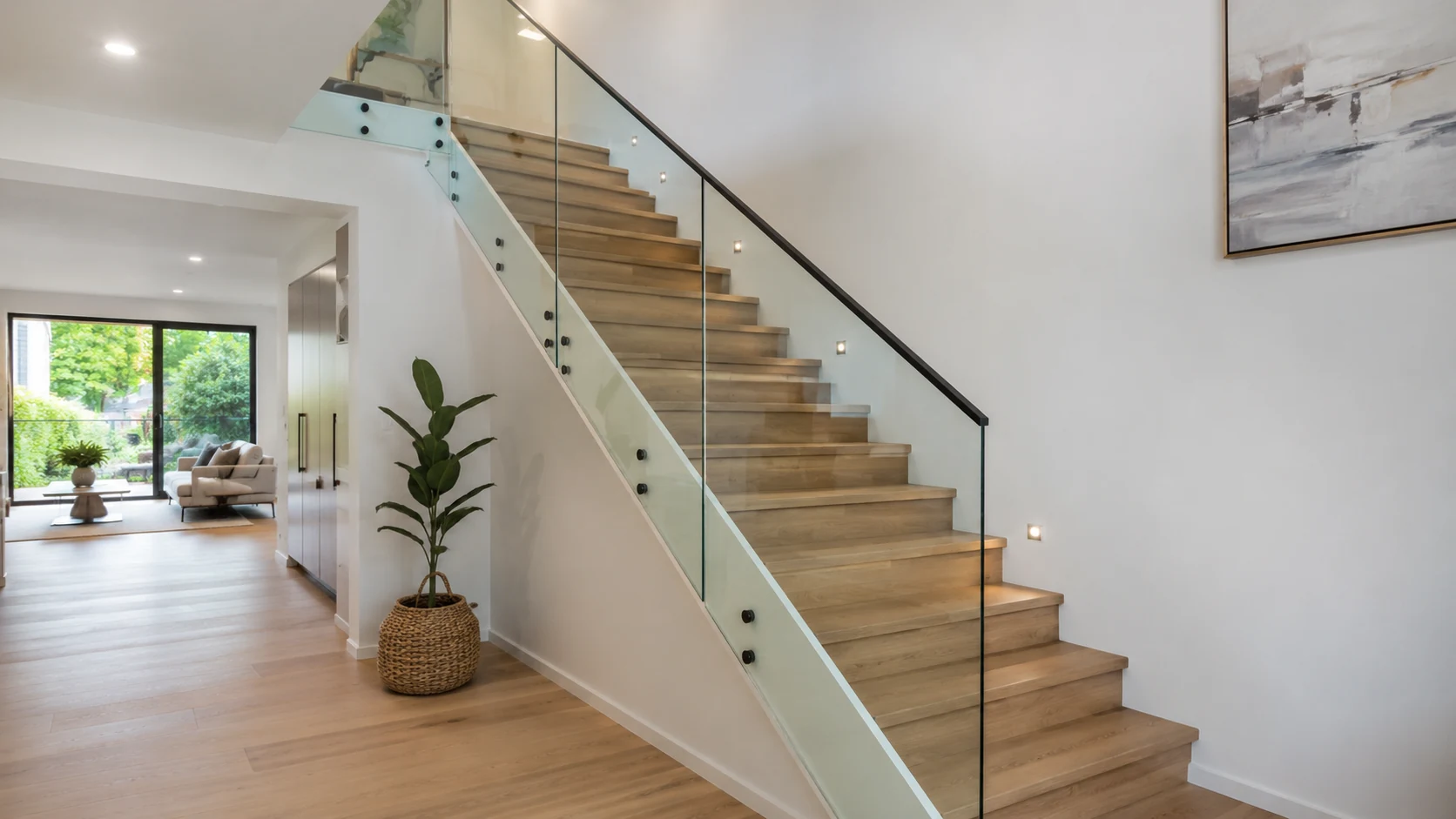
The glass used in a balustrade is not simply an aesthetic choice. It forms part of a safety barrier and must be suitable for the location, expected loads and supporting structure.
A balustrade may be installed along a staircase, balcony, mezzanine, deck or terrace. Each setting presents different risks. An indoor staircase may have relatively controlled conditions, while an external balcony can be exposed to wind, weather and a more serious fall hazard.
The way the glass is supported also matters. In some designs, the glass acts as an infill panel within a framed structure. In other systems, the glass plays a greater structural role and must work with channels, clamps, spigots or other fixings to resist loads safely.
Glass selection is only one part of the specification. These glass balustrade regulations in NSW explain how barrier heights, loading, fixings and handrails can also affect the design.
The appropriate option must be determined as part of the complete balustrade system rather than by considering the glass panel in isolation.
Toughened glass is a type of safety glass that has been heat-treated to increase its strength and change the way it breaks.
During manufacture, the glass is cut, drilled and shaped before it is heated and rapidly cooled. This process makes it more resistant to impact and temperature changes than ordinary annealed glass. Any required holes, notches or edge work must be completed before toughening because the finished panel cannot be cut or drilled later.
If toughened glass breaks, it shatters into many small granular pieces rather than large sharp shards. This reduces the risk of serious cuts and makes it suitable for a wide range of residential and commercial applications.
Toughened glass can be a practical option for suitable balustrade designs because it offers:
However, toughened glass loses its integrity once it breaks. The entire panel will usually disintegrate, leaving an opening until the damaged glass is replaced.
Whether this is acceptable depends on the balustrade location, fixing system, fall height and any other measures incorporated into the design.
Laminated glass is made by bonding two or more sheets of glass together with an interlayer. Common interlayers include PVB and structural ionoplast products.
If laminated glass breaks, the interlayer helps retain the fragments instead of allowing the entire panel to fall away immediately. Depending on the glass make-up and fixing system, this can reduce the risk of falling glass and help the damaged panel remain in place temporarily until it can be replaced.
Laminated glass describes the construction of the panel rather than the treatment of each individual sheet. A laminated balustrade panel may be made with toughened glass plies where additional strength and safety performance are required. This is commonly referred to as laminated toughened glass.
Laminated glass can provide:
The residual performance of laminated glass depends on the complete system. The number and thickness of the glass plies, type of interlayer, panel dimensions, fixings and supporting structure must all be considered.
Laminated glass should not be treated as a guarantee that a broken panel will continue to perform indefinitely as a safe barrier. Any damaged balustrade panel requires prompt assessment and replacement.
The most important practical difference between the two options is the way they respond to breakage.
When toughened glass fails, the panel typically breaks into small granular pieces and loses its structural integrity almost immediately.
This breakage pattern reduces the likelihood of severe cuts. However, the opening may no longer be protected once the fragments fall away. This is an important consideration where the balustrade protects an elevated edge.
When laminated glass breaks, cracks may spread across the panel, but the interlayer helps hold the fragments together.
The panel may remain in the supporting system temporarily, reducing the likelihood of falling fragments or an immediate unprotected opening. The actual post-breakage performance depends on the glass make-up and the way the panel is fixed.
For this reason, laminated glass is often considered where fragment retention and additional post-breakage performance are important design priorities.
Laminated glass is not simply a premium upgrade. In some applications, it may be required to satisfy the relevant standards or engineering requirements.
Where a balustrade protects a significant fall from height, the specification must be assessed carefully. The applicable requirements depend on the location, fall distance, system design and glass configuration.
Laminated toughened glass may also be appropriate where the consequences of panel failure would be more serious, such as:
The correct specification should be confirmed for the individual project rather than based on a general rule.
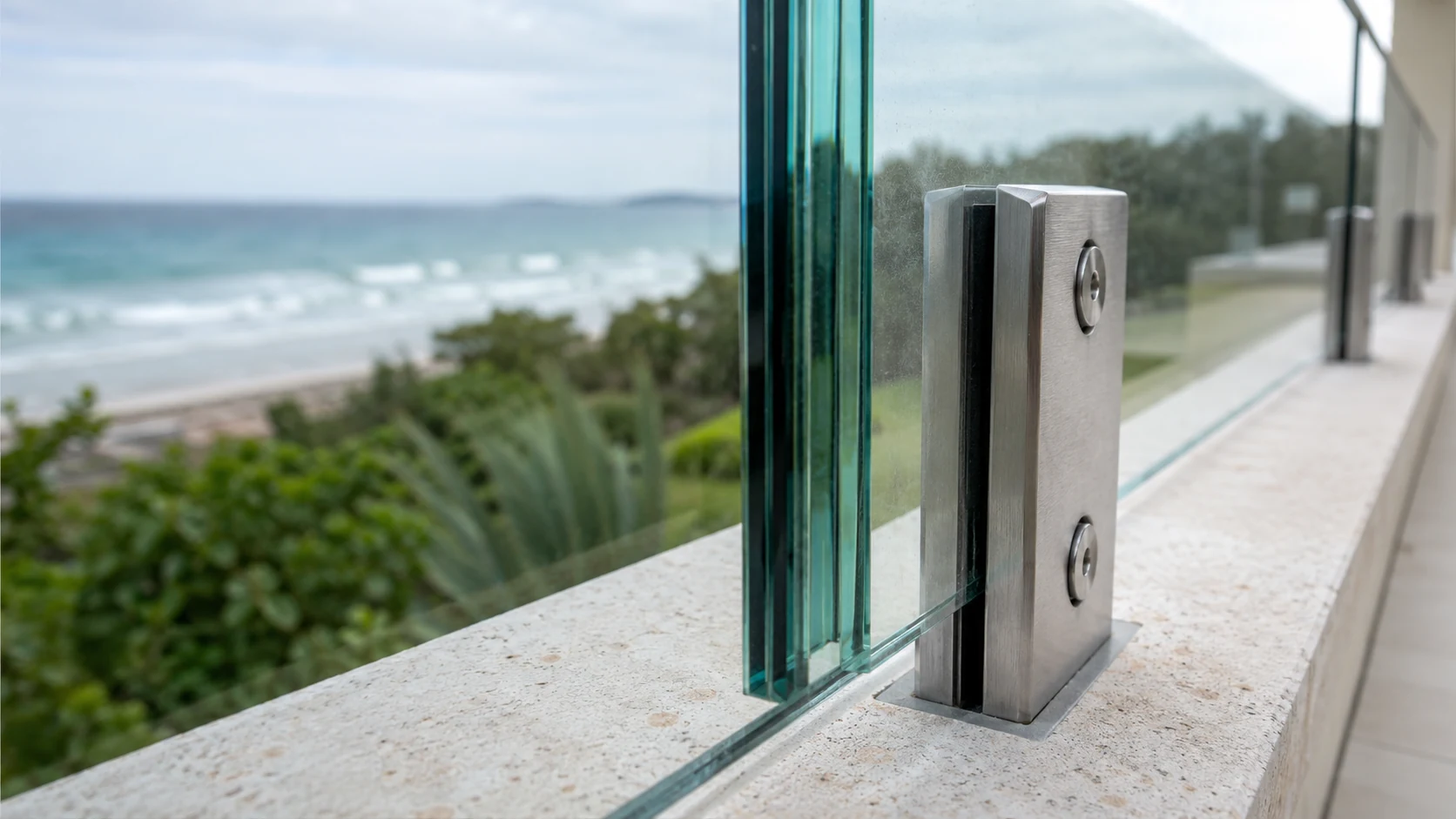
The fixing method is one of the most important factors when choosing glass for a balustrade.
In a framed balustrade, the glass is supported by posts, rails or a surrounding frame. The structure may carry a substantial portion of the load, allowing the glass to act mainly as an infill panel.
Toughened glass may be appropriate for some framed designs, subject to the installation location and applicable requirements.
In a frameless or semi-frameless balustrade, the glass may be supported by a base channel, clamps, bolts or other discreet fixings. The glass can play a greater structural role because there are fewer visible supporting elements.
These systems require careful assessment. The suitability of monolithic toughened glass, laminated glass or laminated toughened glass depends on the fixing method, panel dimensions, fall height and supporting structure.
Some designs may require engineering certification, testing or a project-specific performance solution. This is particularly important where point fixings or spigot-mounted systems are proposed for a balustrade protecting a fall.
The same balustrade design may not be suitable for every property. Site conditions can affect glass thickness, panel size, fixings and hardware selection.
Indoor balustrades are generally protected from wind and harsh weather. Toughened glass may be suitable for some internal staircases, landings and mezzanines where the complete system meets the relevant requirements.
Laminated glass may still be considered where post-breakage containment is important, particularly in elevated or heavily used areas.
For internal projects, it is also worth considering the practical requirements for installing glass balustrades on stairs, including the substrate, handrail design and fixing method.
External balustrades may be exposed to wind, rain, temperature changes and accidental impact from furniture or outdoor activities.
The glass specification must account for these conditions. Balconies, decks and terraces with greater fall heights may require a different solution from low-level garden barriers.
Central Coast properties can be exposed to salt air, strong winds and weather conditions that affect both the glass and the hardware.
Coastal exposure does not automatically mean that laminated glass is required. However, wind loads, panel dimensions and fixing requirements must be assessed carefully. Hardware should also be selected and maintained with the coastal environment in mind to reduce corrosion and long-term deterioration.
Glass pool fencing and glass balustrades should not be treated as interchangeable terms.
A pool fence is designed to restrict access to the pool area, particularly for young children. Property owners should also review the applicable pool and spa fencing requirements, as a glass pool fence must restrict access to the water and may need to satisfy additional requirements relating to gates, gaps and non-climbable zones.
A balustrade is designed to protect people from a fall where there is a change in level.
Some installations may need to meet both sets of requirements. For example, additional considerations may apply if a glass fence is positioned near a retaining wall, raised deck or other drop.
The design should be assessed carefully where the property has sloping ground, tight corners, unusual paving levels or other uneven or difficult pool areas.
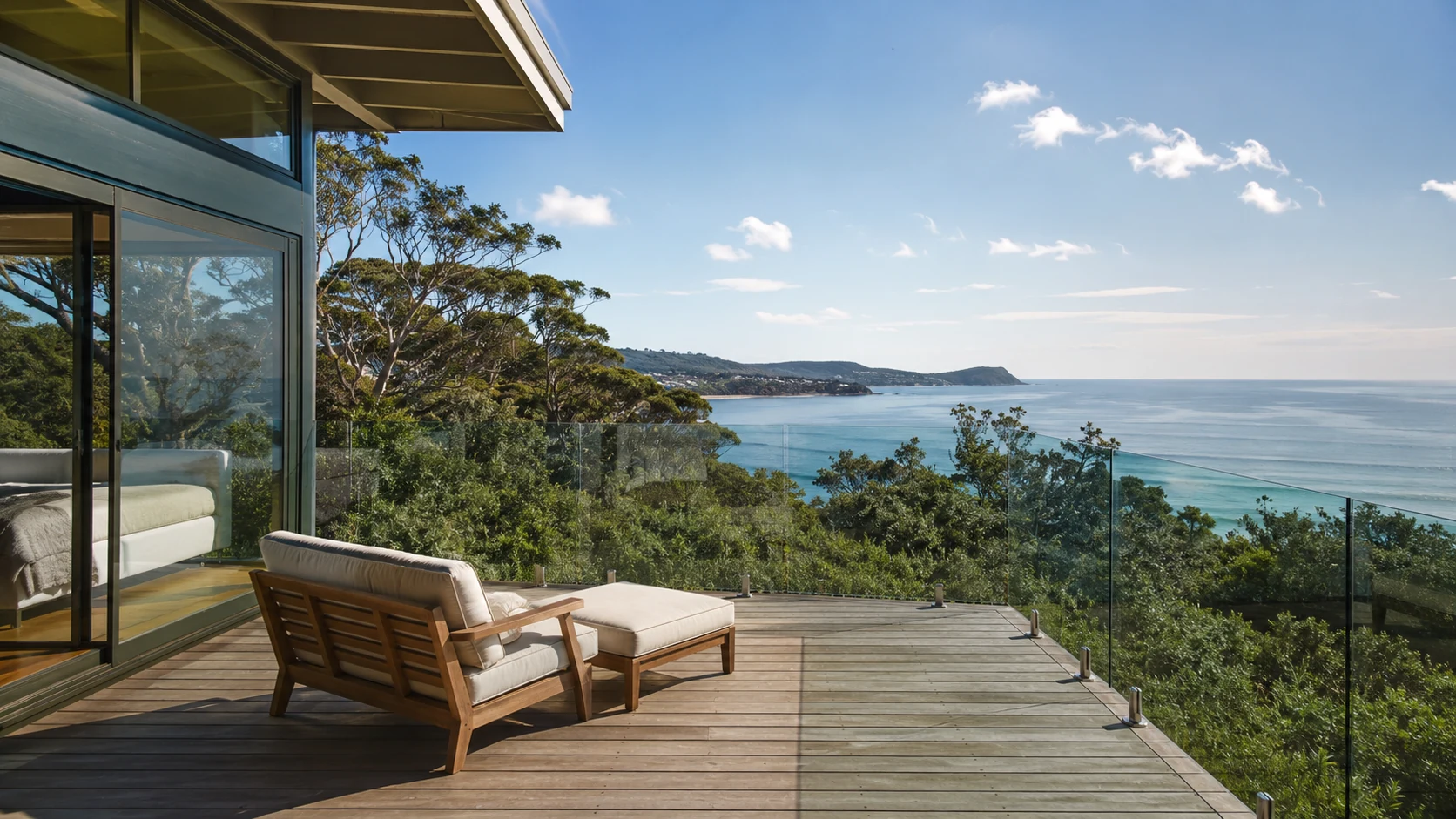
Before selecting toughened or laminated glass, the requirements of the complete balustrade system should be confirmed with an experienced supplier or suitably qualified professional.
The glass specification must be assessed against the relevant requirements for the selection and installation of glass in buildings, including the location, expected loads, fixing method and supporting structure.
Before ordering any panels, confirm:
These decisions should be resolved before glass panels are manufactured. Changes to dimensions, hole positions or edge details after production can result in additional costs and delays.
Toughened and laminated glass can both be suitable for balustrade applications, but they perform differently after breakage.
Toughened glass offers strength, clarity and value for suitable designs. Laminated glass provides the additional benefit of retaining fragments through its interlayer, making it valuable where post-breakage performance is an important consideration.
The right option depends on more than appearance alone. Fall height, location, exposure conditions, fixing method and the overall barrier design must all be considered.
Clearview Glass Group can help property owners, designers and builders assess the practical requirements of a project and select a glass balustrade solution that balances safety, compliance and visual appeal.
Ready to elevate your space with stunning glass solutions? Contact Clearview Glass today for expert advice, quality craftsmanship, and unmatched customer service. Let's bring your vision to life – get in touch now for a consultation.


