Frameless shower screens have become one of the most popular additions in Australian bathrooms. They make a room feel open, bright and stylish, and they suit almost any design. Still, many homeowners worry that without a frame to contain the water, leaks will be a constant problem. At Clearview Glass Group, we hear this concern often. It is a very normal question, especially if you have never had a frameless screen before.
The truth is that a frameless screen does not leak simply because it is frameless. Leaks only happen when something in the layout, sealing, waterproofing or installation has not been done correctly. When the shower space is well designed and the glass is installed with care, a frameless screen performs beautifully and remains reliable for years. If you are thinking about frameless shower screens in Central Coast, this guide will help you understand why leaks happen and how to avoid them.
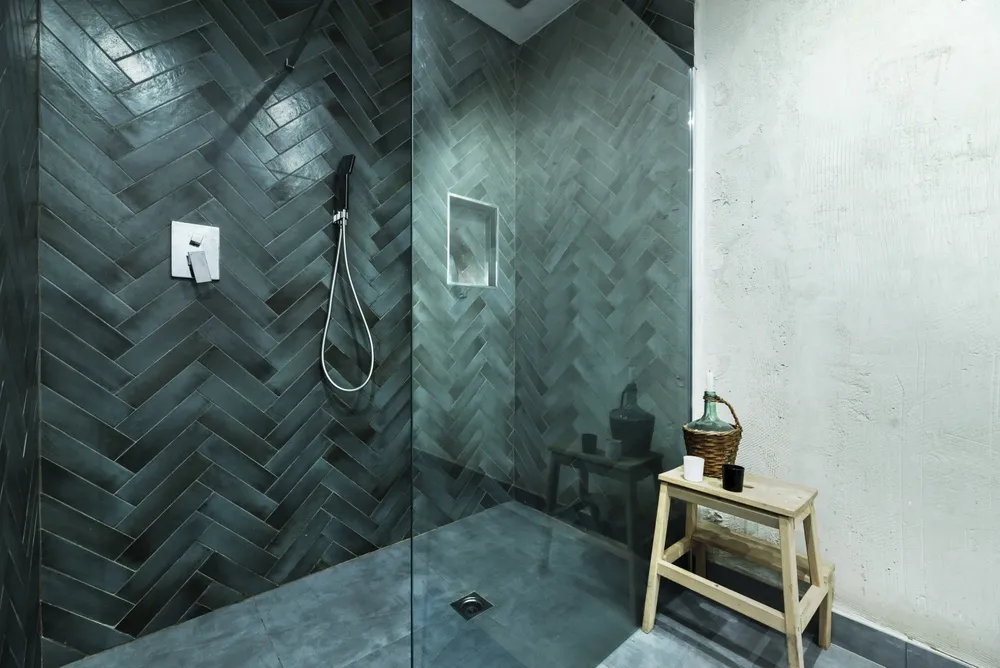
It is easy to assume that a shower screen without a thick metal frame will let water escape. The idea of relying solely on glass panels can feel risky. What many people do not realise is that frameless screens rely on precision rather than bulky borders. When the glass, flooring and showerhead all work together, the system becomes just as reliable as a framed one.
Framed and semi framed screens use aluminium borders to contain and redirect water. These borders act like built-in barriers. They help compensate for uneven tiles or slight misalignment.
A frameless screen has none of these borders. The edges are clean and open, which is why they look so modern. However, this also means the installation must be more precise. The walls need to be straight, the glass spacing must be exact and the panels must be aligned carefully. A well trained glazier ensures the screen fits the space perfectly.
A frameless screen uses smaller brackets, clear silicone and slim hinges. Because these parts are minimal, the performance of the screen depends on how well everything in the shower works together.
This includes the slope of the tiles, the position of the drain, the angle of the showerhead and the quality of the waterproofing underneath the tiles. With good planning, a frameless screen keeps water exactly where it should stay.
Understanding why leaks happen helps you prevent them. Most issues come from design or installation rather than the screen itself. Once you know what to look for, these problems can be avoided easily.
Showerhead placement is one of the biggest influences on whether water stays inside the shower. If the spray hits the door directly or angles outward, water can escape.
This is often an easy fix. A slight adjustment to the showerhead angle or choosing a model with a softer spray pattern can make a big difference.
For example:
These small choices help keep water inside the shower instead of on the bathroom floor.
Your bathroom floor should guide water straight toward the drain. When the gradient is too flat or slopes in the wrong direction, water gathers around the edges instead of draining away.
Homeowners often notice this when water consistently pools in the same spot after every shower.
In these situations, the screen is not at fault. A tiler or waterproofing specialist may need to adjust the fall or assess the membrane underneath the tiles.
Frameless screens need small gaps so the door can move freely and pressure does not build between panels. These are intentional and part of the design.
They only become a problem if the gaps are too large or if the showerhead directs strong water flow straight at them.
A professional glazier understands how wide these gaps should be and positions the screen so that water flows back into the shower rather than out of it.
A door that opens outward across a wet area can drip water onto the floor. A door that opens inward often prevents this because any water on the door falls back into the shower.
Panel size also matters. If a fixed panel is too small for the space, it cannot block splash effectively.
A quick inspection from a glazier can reveal whether your shower would benefit from a longer fixed panel, a return panel or a different door movement.
Frameless screens rely heavily on quality hardware. Hinges that sag or seals that become brittle allow water to escape.
Good seals stay flexible and grip the glass properly. Cheaper seals often crack or shrink which creates gaps over time.
Investing in better hardware and seals provides long term reliability and reduces maintenance.
Frameless glass requires accurate measurements, careful levelling and proper sealing. Even small mistakes affect the final result.
For example:
A skilled installer understands how to adjust for uneven surfaces and ensure everything aligns correctly.
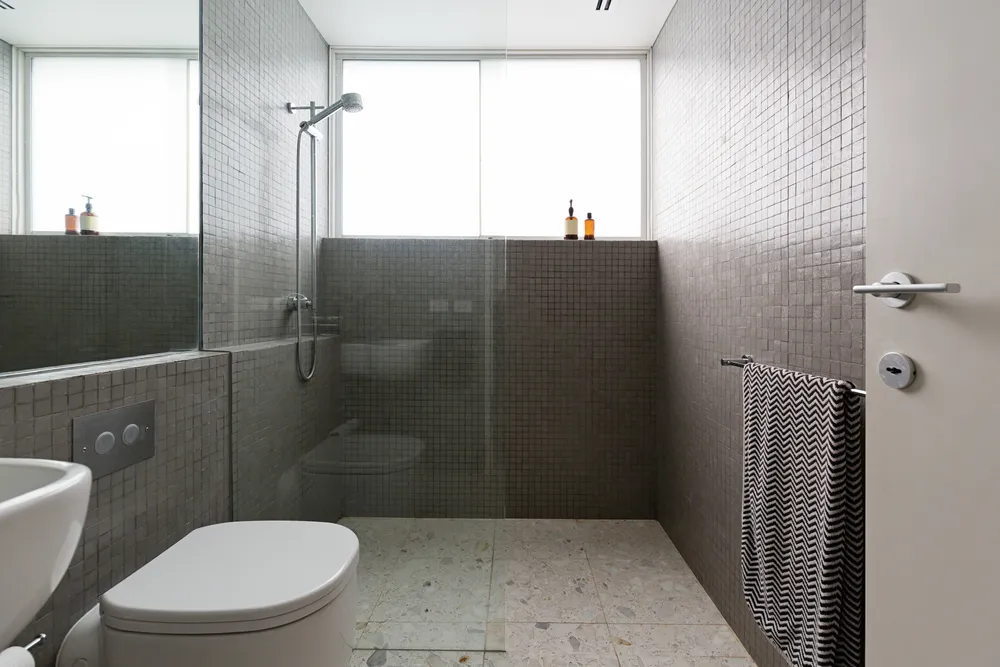
Good design is the foundation of a leak free frameless shower. When you consider how water moves, where it splashes and how the space is shaped, the screen becomes part of a well functioning system rather than a separate feature.
The layout determines how effectively the shower contains water. This includes the size and shape of the shower area, the type of showerhead being used, the position of the drain and the slope of the tiles.
For example:
Choosing the right layout ensures the water naturally stays within the shower zone.
Fixed panels are simple and reliable. Since they do not move, they are excellent for limiting splash and reducing long term maintenance.
Hinged doors are practical and familiar but require more careful planning because they open and close. They need strong hinges, proper alignment and thoughtful placement to avoid leaking.
Both options work well when they are matched to the bathroom layout and water flow.
Small details can significantly improve performance. The space underneath the door, known as the clearance, should be balanced so the door moves smoothly but water does not pass through. A sweep seal helps achieve this.
Strategic positioning means placing the door or panel where it is least exposed to direct water pressure. A glazier will study how the water hits different areas and place the panels accordingly.
A great design still needs proper installation to function well. Experienced installers use specialised tools and techniques to make sure everything fits correctly and stays watertight.
Australian homes often have walls that are not perfectly straight. A professional installer checks for this with laser levels and adjusts the glass placement to compensate.
This ensures the panels sit flush against the surface and prevents gaps that cause leaks.
Sealing needs to be done neatly and carefully. Too much silicone makes the shower look messy while too little may cause leaks.
An experienced installer knows the exact areas that require sealing. The goal is to keep the shower watertight while maintaining its clean and open appearance.
Certified toughened glass is stronger and more stable than standard glass. It holds its shape and alignment even after years of use.
Using poor quality glass increases the risk of slight shifts or flexing which eventually creates gaps. Quality glass supports long term performance.
Regular maintenance keeps your frameless shower in good working condition. These small habits protect the seals and hardware so the system continues to work as intended.
Seals wear down from use and exposure to water. When they lose flexibility or begin to crack, water can escape easily.
Replacing seals early is an inexpensive way to prevent future leaks and keep your shower performing smoothly.
Daily use can loosen hinges slightly. When this happens, the door may not close as tightly as before.
A glazier can quickly adjust the hinges and realign the door. This simple maintenance task prevents leaks and extends the life of the door hardware.
Cleaning products with harsh chemicals can dry out silicone or damage rubber seals. Using gentle cleaners keeps these materials soft and flexible.
Regular cleaning also prevents mineral buildup which can redirect water in unexpected ways. This helps the shower behave the way it was designed to.
This helps the shower behave the way it was designed to.
Not all leaks come from the shower screen. Sometimes the real issue is behind the tiles or within the waterproofing system. Knowing the signs helps you act quickly and avoid serious water damage.
Waterproofing failures often show up through the following signs:
These usually indicate a problem beneath the surface and require help from a tiler or plumber.
A frameless shower screen does not leak simply because it lacks a frame. It all comes down to the quality of the design and the care taken during installation. With the right layout, proper sealing and reliable hardware, a frameless screen can perform just as well, if not better, than a framed option.
At Clearview Glass Group, we are committed to helping homeowners build bathrooms that are both beautiful and functional. If you are considering a new bathroom design or need help with an existing leak, our team is always here to offer honest advice and practical solutions.
Ready to elevate your space with stunning glass solutions? Contact Clearview Glass today for expert advice, quality craftsmanship, and unmatched customer service. Let's bring your vision to life – get in touch now for a consultation.


