A shopfront is more than a physical boundary. It is the first point of connection between a business and the street, shaping how passers-by perceive the space before stepping inside. The right shopfront glass in Central Coast transforms this boundary into a clear visual invitation, improving visibility, comfort and overall street presence. High-quality glazing helps displays stand out, encourages foot traffic and reinforces a sense of professionalism that reflects directly on the brand.
Clearview Glass Group discusses how the right shopfront glass improves three critical aspects of performance. It explains how clarity, glare control and reflection influence visibility from the street and impact customer engagement. It also examines how modern glazing options improve comfort by managing heat, cold and noise for a better in-store experience. Finally, it outlines how glass selection contributes to street appeal through colour, reflectivity, framing and finish, helping create a cohesive and high-quality façade that supports long-term business value.
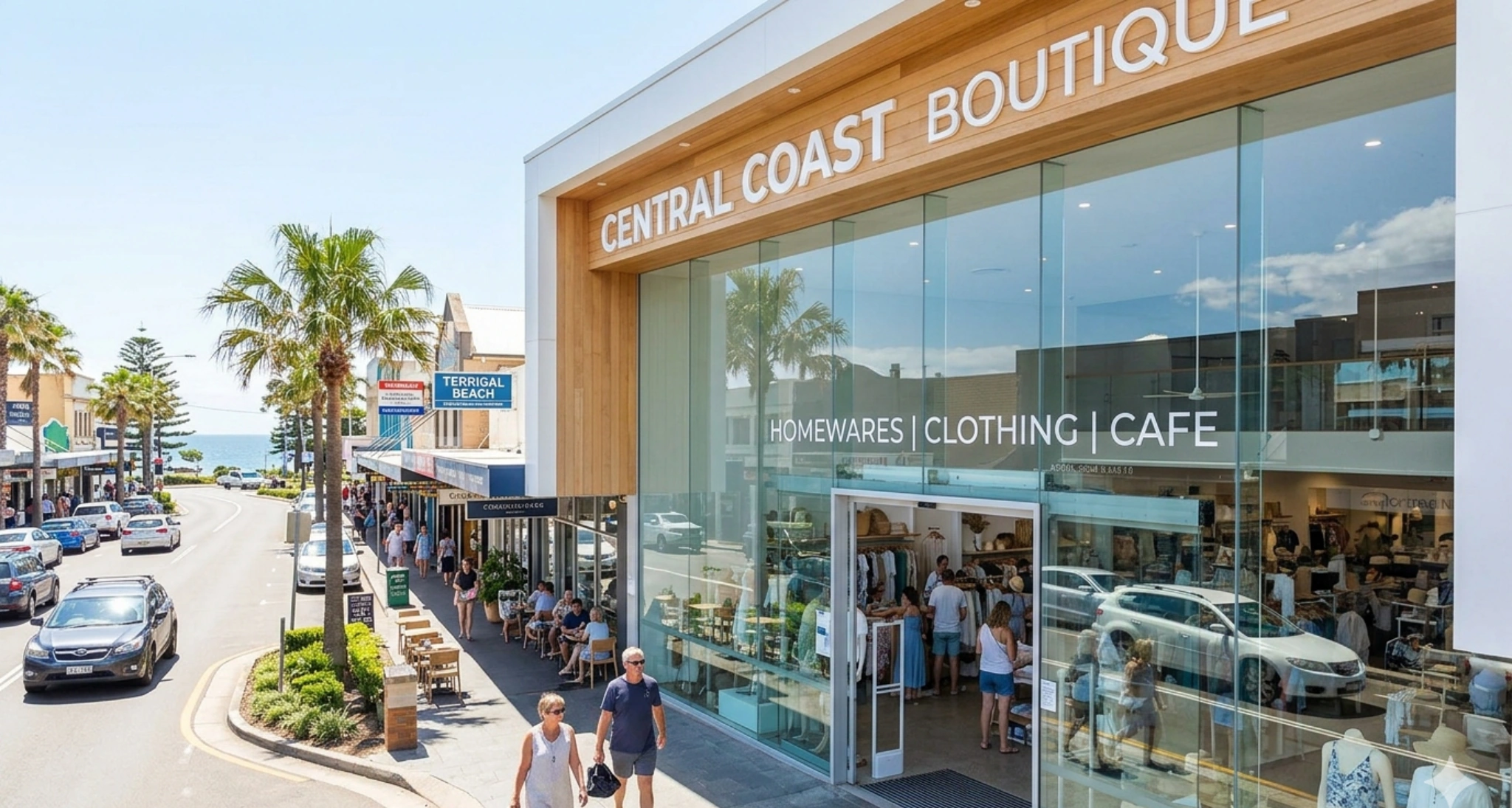
Shopfront glass is often chosen with break-ins and vandalism in mind, yet its impact reaches far beyond security. The right glazing changes how a store feels inside, how clearly products can be seen from the street and how inviting the façade appears at every hour of the day. Poor choices can leave interiors hot or glary and façades flat or reflective like a mirror.
Modern shopfront glass acts as a performance material. Thickness, coatings, tints and framing all influence thermal comfort, visibility, energy use and the overall perception of the brand. Treating glass as part of the store’s environment rather than just a barrier leads to better results for customers and staff.
Glass is usually the largest exposed surface on a shopfront, which means it strongly affects indoor temperature and glare. Standard clear float glass offers little resistance to solar heat. In west- or north-facing locations, this can create hot zones near the windows, increase air conditioning use and make customers avoid display areas.
High-performance options, such as low emissivity (Low E) glass laminated units with solar control interlayers or insulated glass units, help to:
Control of glare is equally important. Large, clear panes without treatment can create uncomfortable brightness, especially on glossy packaging or digital screens. Subtle tints or solar control coatings reduce harsh light while keeping interiors bright and reducing the need for blinds that hide displays.
Security film or very dark tints can make a shopfront feel closed even during trading hours. For retailers that rely on visual merchandising or impulse visits, clarity from the street is critical. High-clarity glass with low iron content minimises the greenish edge of standard glass and presents true colours for signage and products.
Anti-reflective coatings can further reduce mirror-like reflections so pedestrians see into the store rather than a reflection of traffic and sky. This is particularly valuable for:
Correct placement of lighting inside the store also works with the glass choice. Glass that controls reflection and glare helps spotlights and feature lighting draw attention instead of bouncing back at passersby.
Shopfront glass is a major part of the façade and has a direct effect on how a business is perceived. Large uninterrupted panes signal openness and professionalism. Neat framing lines and consistent textures across fixed panels and doors create a coherent visual field.
Tint level, colour and reflectivity should match the character of the business. Slightly toned or neutral-coated glass can give a contemporary, refined look suitable for clinics, galleries and boutique retail. Clear high-transparency glass suits active, vibrant streets where connection to the footpath is important. In all cases, visible quality such as flatness, clean edges and well-aligned joints reinforces a sense of care and reliability that carries through to how customers expect to be treated inside.
The right shopfront glass turns a frontage into a clear invitation instead of a barrier. High‑clarity glazing removes visual distractions so products, signage and interior styling are what customers notice first. At the same time, natural daylight can be maximised without creating uncomfortable glare or heat that drives people away.
Modern commercial glass options make it possible to achieve crisp visibility from the street and through the store while still controlling reflection, privacy and security. Choosing the correct glass type, thickness and coating directly affects how easily people can see in, how pleasant the space feels and how long customers stay inside.
High‑transparency glass increases the visual connection between the footpath and the sales floor. Low‑iron glass is commonly used for premium shopfronts because it removes the green tint seen in standard float glass and delivers true colour rendering of merchandise and branding. This is important for fashion, cosmetics, homewares and food displays where colour accuracy influences buying decisions.
Large uninterrupted glass panels minimise visual breaks across the frontage. Slimline frames and structurally glazed systems reduce bulky mullions so passing traffic can see full displays and store depth rather than a patchwork of reflections and metalwork.
Anti‑reflective or low reflectivity coatings can be specified where strong sunlight or busy streets create mirror‑like reflections. These coatings help prevent the shopfront from acting like a mirror during the day, which often hides displays and makes the store appear closed or uninviting.
Natural light is valuable, but unmanaged sunlight can cause glare on display shelving, counters and digital screens. It can also create uncomfortable hotspots that discourage customers from browsing near windows.
Solar control glass solves much of this by filtering a portion of solar heat and brightness before it enters the building. Tinted or coated glass can be selected with specific light transmission values to strike a balance between brightness and comfort. For example, a high visible light transmission with moderate solar control is suitable for south‑facing streetscapes, while stronger solar control may be needed on west‑facing frontages that receive intense afternoon sun.
Low‑distortion laminated glass improves clarity when looking at an angle, which is how most pedestrians first view a frontage. Interior lighting that is correctly balanced with daylight prevents the shopfront from appearing as a bright wall with a dark interior behind it. When internal light levels are broadly aligned with outdoor brightness, people can see clearly to the back of the store instead of only the first row of products.
By combining clear or low‑iron glass with thoughtful lighting and minimal internal obstructions, a shopfront can showcase store depth, highlight focal displays and make the space feel open and easy to navigate. This visual transparency directly supports higher foot traffic and longer browsing times.
Shopfront glass has a direct impact on how comfortable a space feels for customers and staff. Temperature control, glare, noise and privacy are all influenced by the type of glass selected and how it is configured. The right glazing helps maintain a stable indoor environment so the business looks inviting from the street yet feels calm and pleasant inside.
Selecting appropriate glass for the façade can reduce reliance on heating and cooling, control harsh sunlight and limit street noise. This creates a more comfortable setting for browsing, dining or consultations, encouraging longer visits and repeat business.
Standard single clear glass offers minimal insulation, allowing heat to move easily in and out of the building. In hot climates, solar heat quickly builds up behind large shopfront windows and forces air conditioning to work harder. In cooler seasons, valuable warmth escapes through the glass, creating cold spots near the windows.
Energy-efficient glazing, such as double glazing, low‑E glass or performance laminated glass, improves insulation. These products help keep warm air inside in winter and reduce heat gain from the sun in summer. The result is a more stable indoor temperature, fewer hot or cold zones near the windows and lower energy use.
Busy streets bring traffic noise, pedestrian chatter and occasional construction sounds. Large areas of basic glass transmit much of this noise directly into the premises, which can make conversation difficult and create a sense of chaos.
Acoustic laminated glass is designed to reduce sound transmission by using special interlayers between the glass panes. This is valuable for hospitality venues on main roads, clinics and consulting rooms or premium retail environments where a quieter atmosphere supports the brand experience.
Privacy can also influence comfort. In some businesses, customers feel exposed if passers‑by can see every detail inside. Frosted or patterned films on selected glass sections, or the use of higher transom lines combined with clear glass above eye level, can balance privacy with natural light and street connection. The result is a space that feels more secure and relaxed without losing the benefits of a transparent façade.
Street appeal is often decided in a few seconds as a person walks or drives past. The glass at the front of a shopfront frames that first glance and strongly influences whether someone keeps moving or slows down to look. The right glass choice can sharpen the façade, make displays more legible from the street and create a sense of quality that reflects positively on the products or services inside.
Good shopfront glazing does more than look clean and modern. It controls reflection and glare, supports brand presentation and makes interiors appear inviting rather than closed off. Each of these factors contributes directly to higher foot traffic and stronger first impressions.
Clear high-quality glass allows passersby to see merchandise, staff activity and interior lighting without distractions. Standard glass with higher iron content often appears slightly green and can cause strong surface reflections that act like a mirror. This makes it harder for people outside to see what is on display inside, especially on bright days.
Low-iron glass or glass with an appropriate anti-reflective coating improves transparency and colour accuracy. Products in window displays appear closer to their true colours, signage is easier to read and interior details remain visible even when the sun is high. For locations on busy streets or facing west where afternoon glare is an issue, glass selection that controls reflection can significantly increase the number of people who actually register what the store offers.
High-clarity glass combined with correctly positioned internal lighting allows key products and brand elements to stand out from the street during the day and at night. Frosted or patterned glass can be used strategically at lower levels or in side panels to control sight lines while keeping main viewing zones crystal clear for promotional displays.
For brands that rely on a premium or minimalist image, very clean glass lines with discreet structural fixings and slim frames reinforce that message. Conversely, retailers that want a warmer or more traditional feel may pair clear glass with timber or darker framing while still using modern glazing performance to keep the frontage sharp and inviting.
The condition and specification of shopfront glass strongly influence how safe and professional a premises appears. Thick laminated or toughened safety glass gives a sense of solidity and security, whereas thin or visibly damaged glass suggests neglect. Customers are more likely to enter a store that appears well-maintained and structurally sound.
Smooth flush glazing with neatly sealed joints and consistent framing indicates attention to detail, which customers often subconsciously associate with reliable service and quality products. At night, clear glass that allows good visibility into a well-lit interior makes a business look active and approachable while also improving passive security through natural surveillance from the street.
Choosing shopfront glass is not only a visual decision. The glass type directly affects comfort inside the premises, how clearly products are seen from the street and how secure the frontage is after hours. The right choice balances clarity, insulation, safety and cost so the shopfront looks inviting while still performing in everyday conditions.
Several glass options and performance upgrades are available. Understanding how each affects visibility, energy efficiency and security helps align the shopfront with business goals, whether that is luxury retail, food service or a high-traffic service space.
The most effective shopfronts start with clear priorities. For most businesses, the key questions are:
For example, a fashion boutique usually values high clarity and colour accuracy, so low-iron glass can present merchandise without the green tint seen in standard float glass. A café with a western-facing frontage needs glass that limits late-afternoon heat build-up and glare on screens. A pharmacy or electronics store in a busy strip often places impact resistance and anti-smash performance at the top of the list.
Most commercial shopfronts use one of three safety glass types, each with distinct benefits.
Toughened glass is heat-treated so it becomes several times stronger than standard glass. If it breaks, it shatters into small blunt pieces that reduce injury risk. It suits larger panels, automatic doors and high-traffic entries where accidental impact is more likely. Toughened glass works well where visibility is critical and meets safety standards for most retail applications.
Laminated glass consists of two or more glass sheets bonded with an interlayer. If broken, the interlayer holds fragments in place, improving security and reducing the likelihood of a complete failure. Laminated shopfronts are common in areas where break-ins are a concern or where falling glass must be avoided above public walkways. Acoustic interlayers can also reduce street noise for a quieter indoor environment.
Tinted or solar control glass can cut heat gain and glare on sun-exposed frontages. Light grey or neutral tints usually preserve good visibility into the store while still reducing harsh light. This helps maintain comfortable temperatures for customers and staff and can support air conditioning efficiency.
Low-E and double-glazed units are increasingly used in shopfronts where energy performance is a priority. A low-E coating reflects heat while still allowing natural light to enter. Double glazing pairs two panes with a sealed air or gas gap, also improving insulation and noise reduction. These options are particularly effective for air-conditioned spaces with large glass areas.
For branding and privacy, a carefully selected level of transparency is important. Clear glass suits retailers that rely on window displays to attract passing trade. Lightly frosted or patterned laminated glass may suit clinics, salons or professional services that need privacy while still allowing daylight into the reception area.
The right shopfront glass remains one of the most effective ways to improve comfort, visibility and street appeal through a single, well-considered upgrade. Glass that controls heat and glare, reduces external noise and balances privacy with openness creates a more inviting environment for customers and a more stable setting for daily operations. High-clarity glazing paired with effective lighting and merchandising enhances product presentation and strengthens the visual connection with the street. When specified correctly, shopfront glazing becomes a long-term asset that continues to perform under demanding conditions while maintaining a strong and inviting presence within the streetscape.
Ready to elevate your space with stunning glass solutions? Contact Clearview Glass today for expert advice, quality craftsmanship, and unmatched customer service. Let's bring your vision to life – get in touch now for a consultation.


