Shopfront glass does far more than create a welcoming first impression. It allows natural light into commercial spaces, enhances security, supports energy efficiency and contributes to the overall appearance of a business. When a pane becomes cracked, damaged or no longer meets operational requirements, many property owners and business managers wonder whether only the glass needs replacing or if the entire framing system must also be upgraded.
As a provider of shopfront glass in Central Coast, Clearview Glass Group understands that the answer depends on several factors. Replacing only the glass is a practical and cost-effective solution that minimises disruption, provided the framing system remains capable of supporting the new glazing safely.
This article explains how professionals determine whether existing shopfront frames can be reused, the inspections carried out before replacement, when a complete frame replacement is the better option and how modern glazing can improve safety, performance and value. It also explores compliance requirements, project costs and ways to minimise business downtime during the replacement process.
When the existing frame is in good condition and compatible with the new glazing, replacing only the glass is often a straightforward process. Rather than rebuilding the entire shopfront, professional glaziers remove the damaged pane, prepare the frame and install replacement glass that meets current safety and performance requirements.
Although every commercial property is different, the process typically involves the following steps:
When completed by experienced commercial glaziers, glass-only replacement restores the shopfront's appearance, safety and functionality while avoiding the additional expense and disruption associated with replacing the entire framing system.
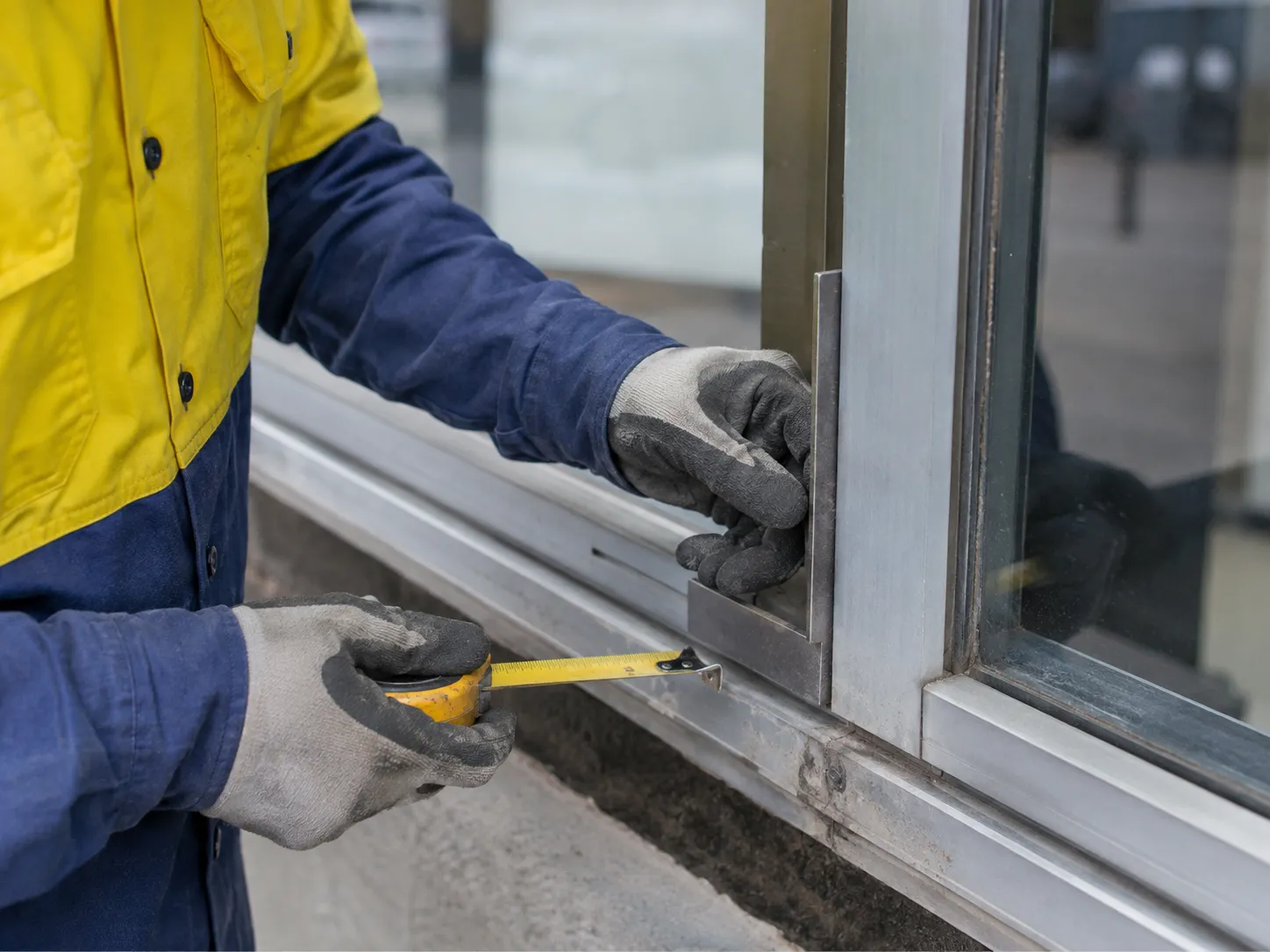
Reusing an existing shopfront frame can significantly reduce costs and installation time, but only when the frame remains suitable for continued use. Before recommending a glass-only replacement, professional glaziers carry out a thorough inspection to determine whether the frame can safely support the new glazing and continue performing reliably over the long term.
The assessment typically focuses on the following areas.
The frame is inspected for visible signs of deterioration that could affect its performance, including:
Frames that are bent, out of square or extensively deteriorated may not provide adequate support for replacement glass and often require repair or replacement.
The framing system must remain securely connected to the surrounding building and be capable of supporting the new glazing without movement. During the inspection, glaziers check:
Any structural movement can place unnecessary stress on the glass and affect its long-term performance.
Modern glazing products often differ in thickness and weight from the original installation. To determine whether the existing frame can accommodate the replacement glass, installers assess:
If the frame cannot safely accommodate the selected glass, modifications or frame replacement may be necessary.
A frame may appear structurally adequate while still nearing the end of its service life. Glaziers therefore evaluate:
If multiple components have deteriorated, replacing the entire framing system may provide better long-term value than installing new glass into an ageing shopfront.
While many shopfronts can be reglazed without disturbing the surrounding framework, there are situations where replacing the entire frame is the safest and most practical solution. If the existing frame can no longer provide adequate support, accommodate modern glazing or deliver performance, replacing only the glass may simply delay more extensive repairs.
Recognising common glass replacement warning signs can help property owners address cracks, water entry, loose framing and recurring damage before the shopfront fails completely.
A professional assessment considers the overall condition of the framing system, its compatibility with the proposed glass and whether repairs would provide lasting value.
Frames that have been bent, twisted or damaged by vehicle impacts, attempted break-ins, severe weather or building movement may no longer support replacement glass safely. Misaligned frames can place uneven pressure on the glass, increasing the risk of stress cracks, seal failure and water ingress.
Corrosion, timber rot and widespread material deterioration can weaken a shopfront frame. Although minor wear may be repairable, extensive damage across multiple sections usually makes complete frame replacement the more reliable and cost-effective long-term solution.
Older shopfront systems were often designed for thinner, lighter glass and may not accommodate today's laminated safety glass, double glazing or other high-performance products. If the frame cannot support the required glass thickness, weight or glazing system, replacing the frame ensures the entire shopfront meets current safety, performance and compliance requirements.
Replacing damaged glass also provides an opportunity to improve the performance of a shopfront. Upgraded glazing can enhance security, energy efficiency, acoustic comfort and safety, but compatibility depends on whether the existing frame is designed to support the new glass.
When the existing frame is suitable, upgrading shopfront glass can improve security, energy efficiency, indoor comfort and the overall presentation of the business.
Before recommending an upgrade, professional glaziers assess several factors, including the frame's condition, glazing pocket dimensions, structural capacity and compatibility with modern glazing components.
Consider the following:
Even where upgraded glass physically fits within the frame, the surrounding glazing system must also perform as intended. Assessing every component helps ensure the replacement glass delivers improved safety, durability and performance without placing unnecessary stress on the framing system.
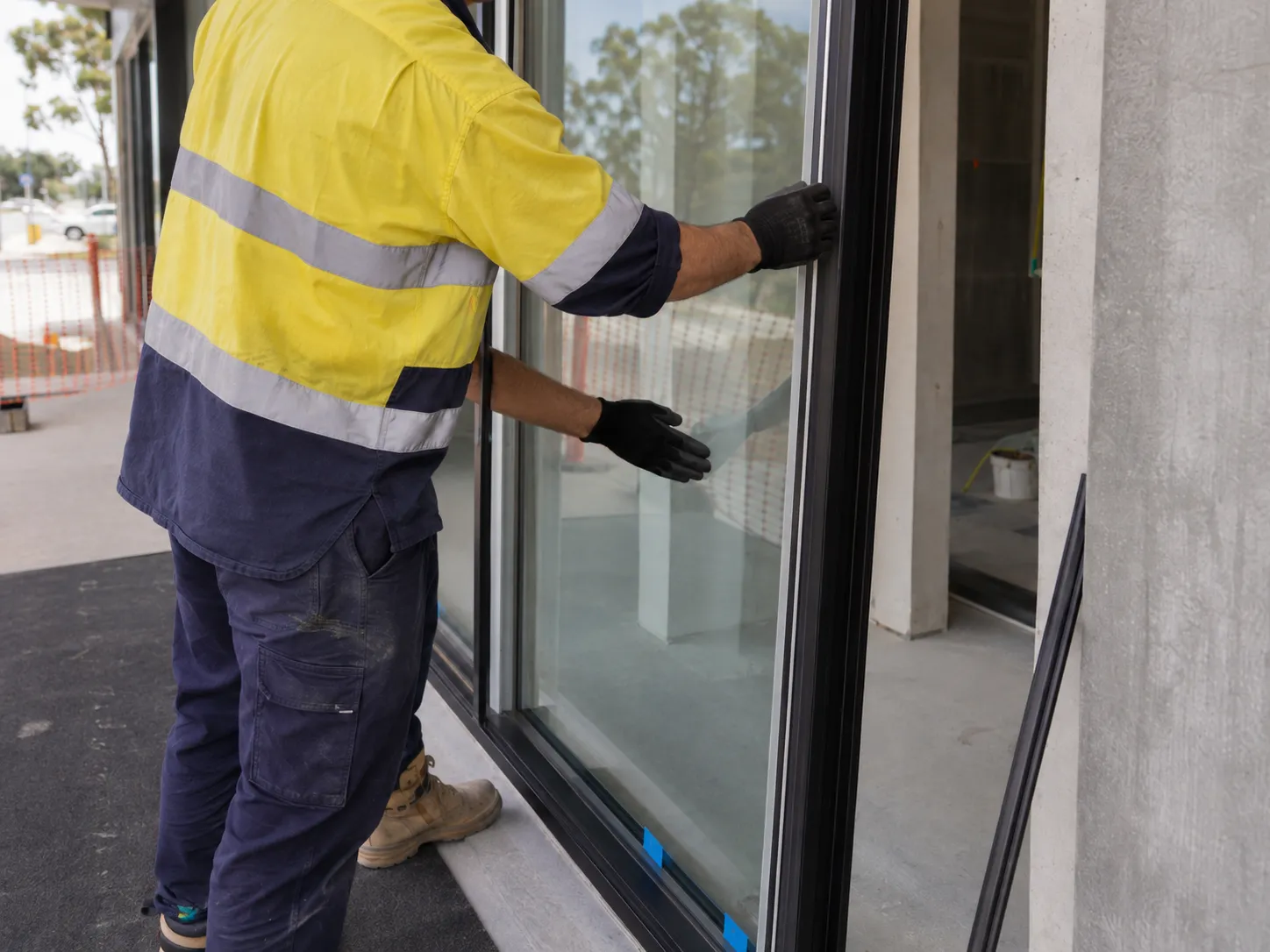
Even when the existing frame can be reused, the replacement glazing must be compliant with building requirements and relevant standards. Professional glaziers assess the glass and the framing system to ensure the completed installation is safe, compliant and suitable for commercial use.
The replacement glass should be appropriate for its location and the level of public access. This may include:
If the original installation no longer meets current safety expectations, replacing it with the same glass type may not be appropriate.
Compliance also depends on how the glass is supported and installed. Professional glaziers confirm:
Proper installation helps maintain the long-term performance, weather resistance and structural integrity of the shopfront.
Older shopfronts may not satisfy today's glazing requirements, particularly when major repairs or upgrades are undertaken.
Applicable requirements should be checked against the current National Construction Code, together with the relevant referenced standards and local approval requirements.
Before installation, professionals verify that:
Confirming compliance before work begins helps avoid costly modifications after installation.
Glass replacement can also improve the overall performance of a commercial property. Depending on the building's requirements, upgrades may include:
Understanding glazing performance can help businesses compare glass, frames, coatings and insulated units based on heat transfer, solar gain and overall energy efficiency.
Considering these upgrades during the replacement process allows businesses to improve comfort, security and energy performance while ensuring the shopfront remains compliant with modern standards.
If an existing shopfront frame cannot safely support the required glass specification, replacing the entire shopfront is not always the only solution. Depending on the condition of the frame, modifications or partial upgrades may allow the new glazing to be installed safely while complying with current standards.
If the frame is stable but unsuitable for thicker or heavier glass, targeted upgrades may be possible, including:
These adjustments can often accommodate upgraded glazing while retaining the existing frame.
If only certain sections of the frame are unsuitable, replacing individual components may be more practical than rebuilding the entire shopfront. This can include replacing:
This approach improves strength and compliance while preserving the shopfront's overall appearance.
Complete frame replacement is generally recommended when:
Although it requires a larger initial investment, a new framing system provides better long-term durability, safety, energy performance and compatibility with modern glazing.
Replacing shopfront glass without replacing the frame is often the most economical solution, but it still affects project costs, customer access and business operations. The overall impact depends on the condition of the existing frame, the type of replacement glass and how the work is scheduled.
Glass-only replacement generally costs less than replacing the frame and glazing because it avoids major demolition and reconstruction. However, costs can vary depending on:
If framework is required, the cost difference between glass-only replacement and a complete shopfront replacement may become much smaller.
Many shopfront glass replacements can be completed while the business remains open, particularly when only one panel is being replaced. Contractors use barriers, signage and temporary protection to maintain safe access for customers and staff.
Where the damaged glass affects the main entrance or creates a safety risk, temporary boarding or restricted access may be necessary until the replacement glass is installed. Throughout the work, emergency exits and accessible entrances should remain usable wherever possible.
With careful planning, disruption can often be kept to a minimum. Straightforward replacements are frequently completed in a single installation visit once the replacement glass has been manufactured.
To reduce interruptions, work is often scheduled:
For emergency breakages, temporary boarding can quickly secure the premises so trading can continue until the permanent replacement glass is ready for installation.
Although not every incident can be prevented, regular maintenance and proactive care can lessen the likelihood of shopfront glass damage while extending the lifespan of the entire glazing system.
Regular inspections, timely maintenance and selecting the right glazing are the most effective ways to reduce the risk of future damage. Taking a proactive approach helps keep a shopfront safe, secure, visually appealing and less likely to require unexpected emergency repairs.
Replacing shopfront glass without replacing the existing frame is often possible, provided the frame remains structurally sound, weather-tight and compatible with modern glazing requirements. However, the decision should always be based on a professional assessment rather than assuming a like-for-like replacement is suitable. By evaluating the condition of the frame, the type of replacement glass, compliance obligations and the performance of the shopfront, property owners can make decisions that improve safety, appearance and durability.
Clearview Glass Group provides professional assessments and tailored shopfront glass replacement solutions to help businesses achieve safe, compliant and long-lasting results. Whether replacing a single damaged pane or upgrading an entire shopfront, expert advice ensures the most practical and cost-effective solution for every property.
Ready to elevate your space with stunning glass solutions? Contact Clearview Glass today for expert advice, quality craftsmanship, and unmatched customer service. Let's bring your vision to life – get in touch now for a consultation.


